
 Cardiology
 Cardiovascular Thoracic Surgery
 Endocrinology
 Neurology
 Neuro Surgery
 Nephrology
 Urology
 Gastroenterology
 Pulmonology
  Plastic Surgery
 Nuclear Medicine
  Anesthesiology
  Transfusion Medicine
  Medical Oncology
  Surgical Oncology
  Radiation Oncology
  Critical Care Medicine
  ENT
ENT General Medicine
 General Surgery
 Gynaecology & Obstetrics
 Ophthalmology
 Orthopaedics
 Paediatrics and Neonatology
  Spine Surgery
 Cathlab
 MRI
(3.0 Tesla)
MRI
(3.0 Tesla) CT
Scan (128 Slice)
CT
Scan (128 Slice) 2D Echo
 TMT
TMT PFT
PFT EEG
EEG EMG
& NCS
EMG
& NCS Audiometry
 Flexible Laryngoscopy
 Endoscopy
& Colonoscopy
Endoscopy
& Colonoscopy Bronchoscopy
 Allergy Testing (Skin Prick Test-SPT)
 Microbiology
 Pathology
 Radio-diagnosis
 Radiation Therapy
 Physiotherapy
 Radiology
 Pharmacy
 AKU
Dialysis
AKU
Dialysis  Emergency Service
 Executive
Health Checkup
Executive
Health Checkup
Many health problems begin with mild symptoms that gradually improve with rest or medication. However, some symptoms should never be ignored because they may indicate a serious medical condition that requires immediate treatment. Acting quickly in these situations can prevent complications, improve recovery, and, in some cases, save lives.
Unfortunately, many people delay visiting the hospital, hoping the symptoms will disappear on their own. While this may be true for minor illnesses, certain warning signs require urgent medical evaluation.
In this article, we'll discuss 10 symptoms that require immediate medical attention, why they should never be ignored, and when you should seek emergency care.
Why Recognizing Emergency Symptoms Matters
Medical emergencies often develop suddenly and progress rapidly. Conditions such as heart attacks, strokes, severe infections, internal bleeding, and breathing difficulties can become life-threatening if treatment is delayed.
Recognizing the warning signs early allows doctors to begin treatment as quickly as possible, improving the chances of recovery and reducing the risk of permanent complications.
Chest Pain or Pressure
Chest pain is one of the most serious symptoms that requires immediate medical attention.
While not all chest pain is caused by a heart attack, it should always be evaluated by a doctor, especially if it is severe or accompanied by other symptoms.
Watch for:
- Tightness or pressure in the chest
- Pain spreading to the arm, shoulder, jaw, neck, or back
- Shortness of breath
- Sweating
- Nausea
- Dizziness
These symptoms may indicate a heart attack or another serious cardiac condition.
Do not attempt to drive yourself if symptoms are severe. Seek emergency medical care immediately.
Sudden Difficulty Speaking or Weakness on One Side
These symptoms may be signs of a stroke.
A stroke occurs when blood flow to part of the brain is interrupted, causing brain cells to become damaged.
Common warning signs include:
- Sudden weakness in the face, arm, or leg
- Difficulty speaking
- Slurred speech
- Confusion
- Vision changes
- Loss of balance
- Severe dizziness
Remember the FAST rule:
• F – Face drooping
• A – Arm weakness
• S – Speech difficulty
• T – Time to call for emergency help
Early treatment can significantly improve recovery.
Severe Difficulty Breathing
Shortness of breath should never be ignored, especially if it develops suddenly.
Possible causes include:
- Asthma attack
- Severe allergic reaction
- Pneumonia
- Heart failure
- Pulmonary embolism
- COVID-19 complications
- Lung infections
Seek immediate medical attention if breathing becomes laboured or if the person cannot speak complete sentences due to breathlessness.
Sudden Loss of Consciousness or Fainting
Brief fainting may occur due to dehydration or low blood pressure, but sudden loss of consciousness can also indicate a serious underlying problem.
Possible causes include:
- Heart rhythm disorders
- Stroke
- Internal bleeding
- Severe infection
- Low blood sugar
- Brain injury
Anyone who loses consciousness unexpectedly should be evaluated by a healthcare professional as soon as possible.
Severe Headache Unlike Any Before
A sudden, extremely severe headache should not be dismissed as a migraine without medical evaluation.
Emergency causes may include:
- Brain haemorrhage
- Stroke
- Meningitis
- High blood pressure emergency
- Brain aneurysm
Seek urgent care if the headache is accompanied by:
- Vomiting
- Confusion
- Fever
- Neck stiffness
- Vision changes
- Difficulty speaking
Severe Abdominal Pain
Abdominal pain can have many causes, but intense or persistent pain requires medical evaluation.
Serious conditions include:
- Appendicitis
- Gallbladder disease
- Pancreatitis
- Kidney stones
- Intestinal obstruction
- Internal bleeding
- Perforated ulcer
If abdominal pain is severe, worsening, or associated with fever, vomiting, blood in stools, or inability to pass urine, visit the emergency department immediately.
Heavy Bleeding That Doesn't Stop
Uncontrolled bleeding can become life-threatening within a short period.
Seek immediate medical care if:
- Bleeding continues despite applying pressure
- Blood loss is excessive
- The wound is deep
- There is significant bleeding after an accident
- Blood is present in vomit, urine, or stool
Prompt treatment helps prevent excessive blood loss and complications.
Sudden Vision Loss or Double Vision
Changes in vision may indicate serious neurological or eye conditions.
Emergency symptoms include:
- Sudden blindness in one or both eyes
- Double vision
- Flashes of light
- Loss of part of the visual field
- Eye injury
These symptoms require urgent medical evaluation to prevent permanent vision loss.
High Fever with Confusion or Persistent Vomiting
Most fevers improve with treatment, but high fever accompanied by serious symptoms may indicate a severe infection.
Seek medical attention if fever occurs with:
- Confusion
- Difficulty breathing
- Persistent vomiting
- Severe dehydration
- Seizures
- Neck stiffness
- Extreme drowsiness
Early treatment is especially important for children, older adults, and individuals with weakened immune systems.
Serious Injuries After an Accident
Falls, road traffic accidents, sports injuries, and workplace accidents can cause hidden internal injuries.
Visit the emergency department if there is:
- Severe pain
- Bone deformity
- Heavy bleeding
- Difficulty moving a limb
- Head injury
- Loss of consciousness
- Suspected spinal injury
Even if external injuries appear minor, internal damage may require urgent treatment.
Other Symptoms That Should Never Be Ignored
In addition to the symptoms above, seek medical attention if you experience:
What Should You Do During a Medical Emergency?
If you or someone nearby experiences any emergency symptom:
- Stay calm.
- Call for emergency medical assistance immediately.
- Do not delay seeking treatment.
- Avoid self-medicating unless advised by a healthcare professional.
- If possible, note when the symptoms began, as this information can help doctors make timely treatment decisions.
- If the person is unconscious or seriously injured, avoid moving them unless they are in immediate danger.
Quick action can make a significant difference in treatment outcomes.
Why Timely Medical Care Saves Lives
Many life-threatening conditions are highly treatable when diagnosed early.
For example:
- Heart attacks can often be treated effectively if medical care is received within the first few hours.
- Stroke treatments are most effective when started as early as possible.
- Severe infections respond better when antibiotics and supportive care are initiated promptly.
- Trauma patients have better outcomes when treated immediately after injury.
Delaying treatment can increase the risk of complications and prolong recovery.
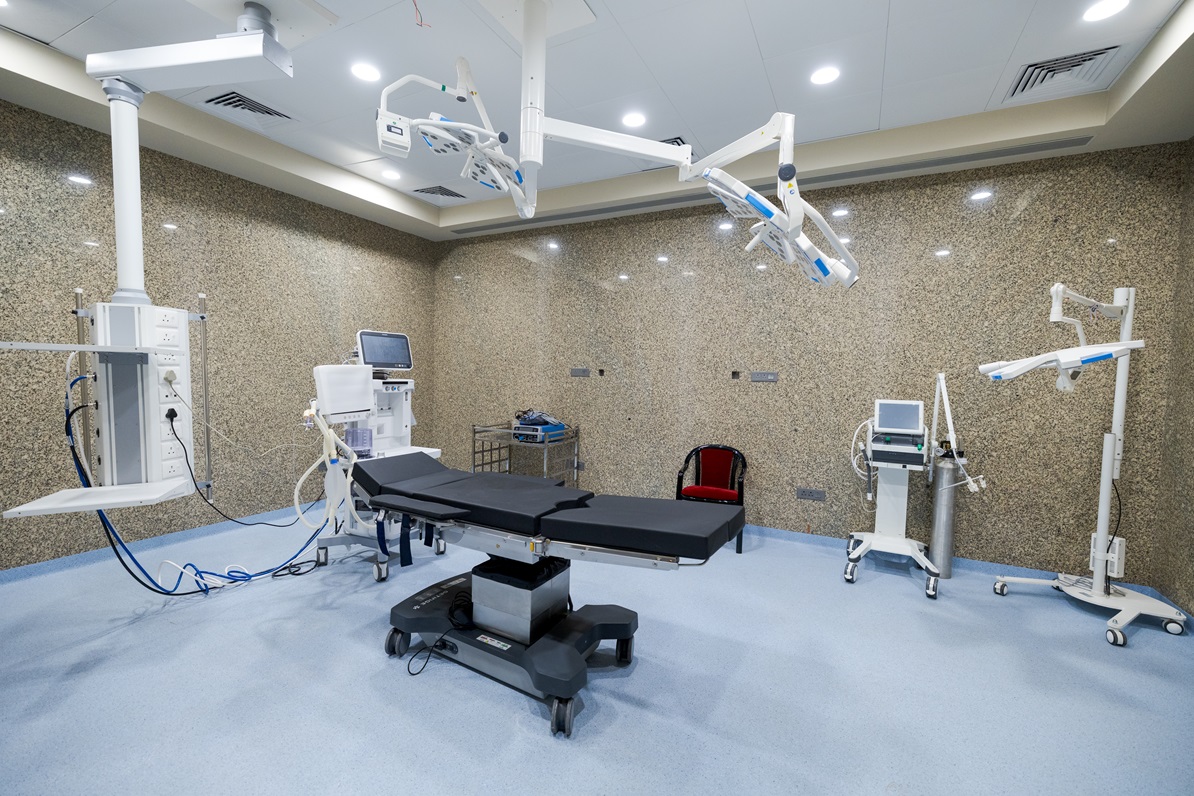
Emergency Services Matter
A well-equipped hospital plays a vital role during medical emergencies.
When choosing a hospital, look for one that provides:
Access to these facilities ensures patients receive prompt evaluation and treatment when every minute counts.
Conclusion
Knowing the warning signs of a medical emergency can help you make informed decisions when every second matters. While not every symptom indicates a life-threatening condition, severe chest pain, difficulty breathing, sudden weakness, loss of consciousness, uncontrolled bleeding, or serious injuries should never be ignored.
Seeking immediate medical attention can improve recovery, reduce complications, and even save lives. If you or a loved one experiences any of these symptoms, don't wait for them to improve on their own.
Get Emergency Medical Care Without Delay
Medical emergencies require prompt action and expert care. At Bombay Hospital Jaipur, our 24×7 Emergency and Trauma Care Department is equipped to manage a wide range of medical emergencies with experienced doctors, advanced diagnostic facilities, critical care support, and modern treatment infrastructure. If you or a loved one experiences any serious warning signs, visit Bombay Hospital Jaipur immediately or seek emergency medical assistance without delay. Timely treatment can make all the difference.
Contact Emergency Care