 Cardiology
 Cardiovascular Thoracic Surgery
 Endocrinology
 Neurology
 Neuro Surgery
 Nephrology
 Urology
 Gastroenterology
 Pulmonology
 Plastic Surgery
 Nuclear Medicine
 Anesthesiology
 Transfusion Medicine
 Medical Oncology
 Surgical Oncology
 Radiation Oncology
 Critical Care Medicine
 ENT
 General Medicine
 General Surgery
 Gynaecology & Obstetrics
 Ophthalmology
 Orthopaedics
 Paediatrics and Neonatology
 Spine Surgery
 Cathlab
 MRI
(3.0 Tesla)
 CT
Scan (128 Slice)
 2D Echo
 TMT
 PFT
 EEG
 EMG
& NCS
 Audiometry
 Flexible Laryngoscopy
 Endoscopy
& Colonoscopy
 Bronchoscopy
 Allergy Testing (Skin Prick Test-SPT)
 Microbiology
 Pathology
 Radio-diagnosis
 Radiation Therapy
 Physiotherapy
 Radiology
 Pharmacy
 AKU
Dialysis
 Emergency Service
 Executive
Health Checkup
Dr. Vikas Purohit
MBBS, MD
DM (Cardiology)
Cardiologist


The Cardiology Department at Bombay Hospital, Jaipur, is a center of excellence dedicated to the prevention, diagnosis, and treatment of heart diseases. With a team of highly skilled cardiologists and cutting-edge technology, the department offers comprehensive cardiac care tailored to each patient’s unique needs.
The department specializes in diagnosing and managing a wide range of cardiovascular conditions, including coronary artery disease, heart failure, arrhythmias, and valvular heart disease. With expertise in both non-invasive and interventional cardiology, the team ensures precise diagnosis and effective treatment.
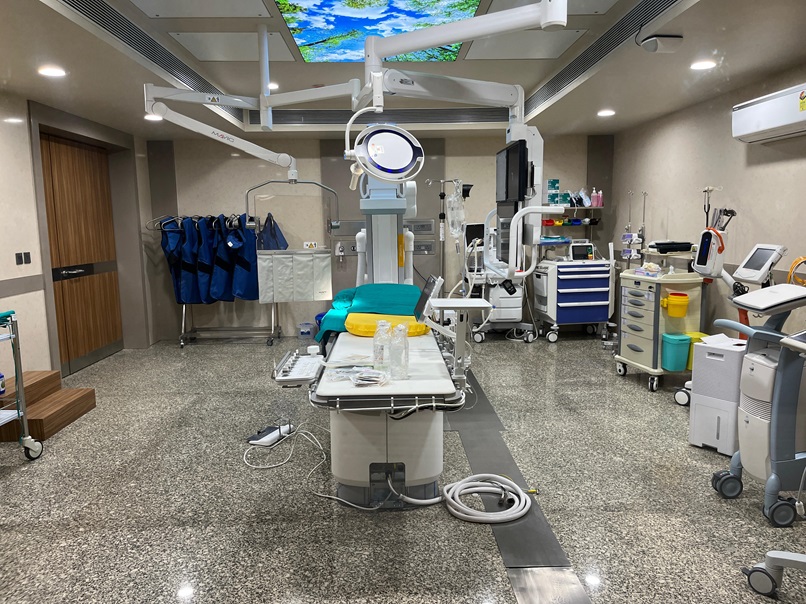
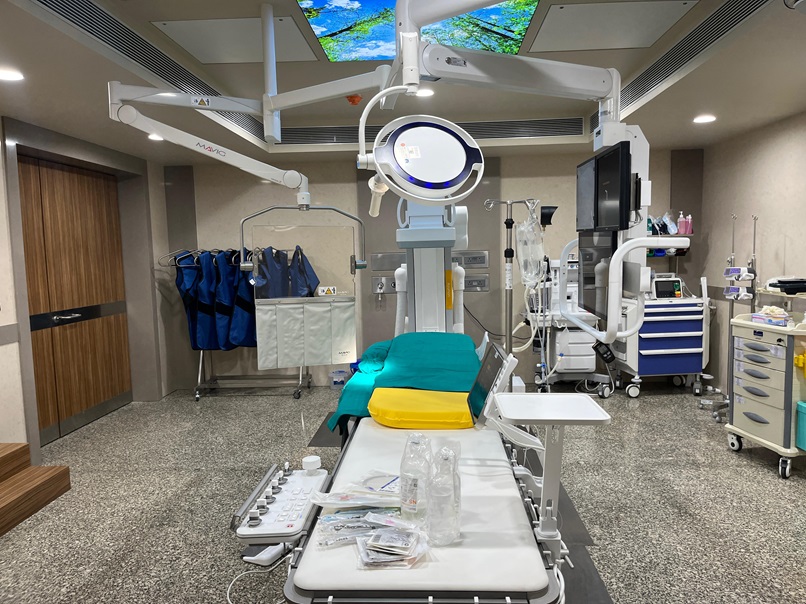
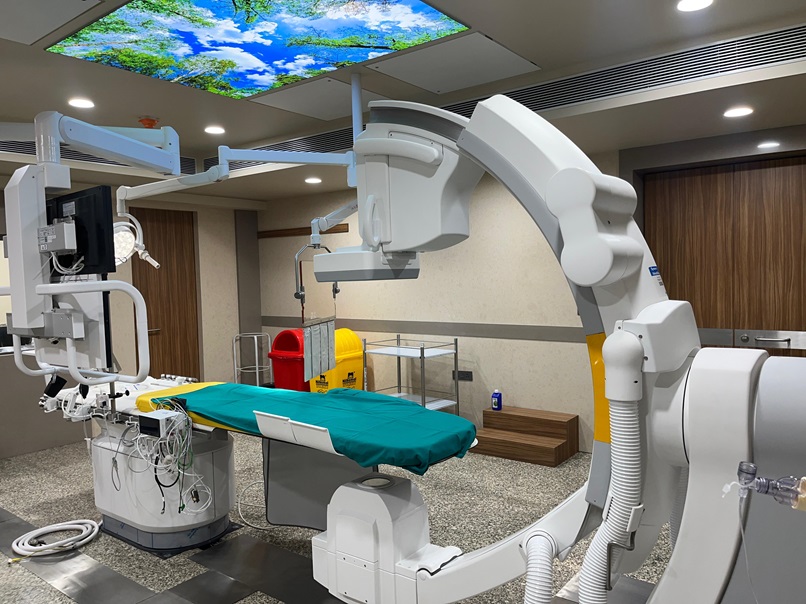
Choosing the right cardiology hospital in Jaipur is important when you need an accurate diagnosis, treatment planning, or ongoing care for a heart condition. Heart diseases can affect people differently, and appropriate care begins with understanding the symptoms, medical history, risk factors, and diagnostic findings.
At Bombay Hospital Jaipur, the Cardiology Department focuses on the prevention, diagnosis, and management of cardiovascular conditions. Its services include non-invasive cardiac investigations, interventional cardiology, heart rhythm management, and care for patients with complex heart conditions.
The department evaluates patients with concerns such as chest discomfort, breathlessness, palpitations, abnormal blood pressure, and suspected coronary artery disease. Based on the clinical assessment, a cardiologist may recommend further investigations, medication, lifestyle changes, or an appropriate cardiac procedure.
A cardiologist evaluates conditions affecting the heart and circulatory system, including coronary artery disease, heart rhythm disorders, heart failure, and valvular heart disease. Early medical assessment can help identify potential problems and guide appropriate treatment.
At Bombay Hospital Jaipur, patients can consult cardiology specialists for evaluation, diagnostic testing, treatment planning, and follow-up care. The recommended approach depends on the patient's condition, the severity of symptoms, and the results of clinical investigations.
Consultation with a cardiologist can help determine whether symptoms require further testing, medical management, monitoring, or an interventional procedure.
Heart-related symptoms can arise from different cardiovascular conditions. A detailed evaluation helps the cardiologist identify the likely cause and determine the next steps in care.
The Cardiology Department at Bombay Hospital Jaipur evaluates and manages a range of conditions, including:
Coronary artery disease develops when the blood vessels supplying the heart become narrowed or blocked. Patients may experience chest discomfort, breathlessness, fatigue, or symptoms during physical activity, although some people have no obvious symptoms.
Depending on the clinical findings, evaluation may include an ECG, stress testing, cardiac imaging, or coronary angiography. Selected patients may require angioplasty to help restore blood flow through a narrowed coronary artery.
Arrhythmias occur when the heart beats too quickly, too slowly, or irregularly. Symptoms can include palpitations, dizziness, weakness, breathlessness, or fainting.
A cardiologist may recommend an ECG or Holter monitoring to assess heart rhythm. Treatment depends on the type of arrhythmia and may involve medication, monitoring, or a cardiac device. Selected patients may require pacemaker or ICD implantation.
Heart failure occurs when the heart cannot pump blood effectively enough to meet the body's needs. It may cause breathlessness, swelling in the legs, fatigue, or difficulty performing routine activities.
Assessment may include an echocardiogram and other investigations to understand heart function. Management can involve medication, monitoring, lifestyle guidance, and specialist care tailored to the patient's condition.Assessment may include an echocardiogram and other investigations to understand heart function. Management can involve medication, monitoring, lifestyle guidance, and specialist care tailored to the patient's condition.
Heart valve disorders can affect how blood flows through the heart. Some conditions develop gradually, while others may require closer monitoring or intervention.
After clinical assessment and appropriate cardiac imaging, selected patients with severe aortic valve disease may be considered for Transcatheter Aortic Valve Implantation (TAVI). The suitability of this procedure depends on the patient's diagnosis and overall clinical assessment.
Accurate diagnosis is an important part of cardiac care. Depending on symptoms and medical history, a cardiologist may recommend one or more tests to evaluate the heart's electrical activity, structure, pumping function, or response to physical activity.
The diagnostic services listed on the hospital website include:
Not every patient requires all these investigations. The cardiologist selects tests according to the presenting symptoms, suspected condition, and relevant clinical findings.
Interventional cardiology uses catheter-based techniques to diagnose or treat selected cardiovascular conditions. These procedures may be considered when medication alone is insufficient or when a condition requires prompt intervention.
The department's existing service information includes the following procedures:
The choice of intervention depends on the patient's condition, test results, risks, and suitability for the procedure. The treating cardiologist explains the available options and their potential benefits and limitations.
Preventive cardiology focuses on identifying cardiovascular risk factors and reducing the likelihood of future heart problems. Regular medical assessment can be particularly important for people with diabetes, high blood pressure, high cholesterol, obesity, a family history of heart disease, or a history of smoking.
Heart-health measures may include:
A heart specialist can assess individual risk factors and recommend suitable investigations or preventive measures. Routine screening and testing should be guided by age, medical history, symptoms, and clinical risk rather than performed indiscriminately.
Some heart conditions develop gradually, while others may cause sudden symptoms. A medical consultation is advisable when you experience recurring or unexplained symptoms such as:
Seek emergency medical attention for sudden or severe chest pain, significant breathing difficulty, fainting with concerning symptoms, or suspected heart attack. Do not delay emergency care while trying to arrange a routine appointment.
Cardiac care often involves several stages, from initial assessment and diagnostic testing to treatment and follow-up. A coordinated approach helps patients understand their condition and the options available to them.
Bombay Hospital Jaipur's Cardiology Department provides access to cardiology consultations, diagnostic investigations, and the interventional services described on its website. Depending on the patient's needs, care may involve collaboration with other hospital departments, including Cardiovascular Thoracic Surgery and Critical Care Medicine.
The treating team determines the appropriate care pathway based on the patient's diagnosis, clinical condition, and treatment requirements.
If you are looking for a cardiologist in Jaipur for heart-related symptoms, a known cardiovascular condition, or a medical opinion about further investigations, a specialist consultation can help clarify the next steps.
At Bombay Hospital Jaipur, the Cardiology Department offers evaluation and treatment planning for a range of cardiovascular conditions, including coronary artery disease, heart rhythm disorders, heart failure, and valvular heart disease.
You can review the available cardiology consultant profiles and book an appointment to discuss your symptoms and individual healthcare needs.

MBBS, MD
DM (Cardiology)
Cardiologist

MBBS, MD, DM (Cardiology)
MRCP (UK)
Cardiologist
 Book an Appointment