
 Cardiology
 Cardiovascular Thoracic Surgery
 Endocrinology
 Neurology
 Neuro Surgery
 Nephrology
 Urology
 Gastroenterology
 Pulmonology
  Plastic Surgery
 Nuclear Medicine
  Anesthesiology
  Transfusion Medicine
  Medical Oncology
  Surgical Oncology
  Radiation Oncology
  Critical Care Medicine
  ENT
ENT General Medicine
 General Surgery
 Gynaecology & Obstetrics
 Ophthalmology
 Orthopaedics
 Paediatrics and Neonatology
  Spine Surgery
 Cathlab
 MRI
(3.0 Tesla)
MRI
(3.0 Tesla) CT
Scan (128 Slice)
CT
Scan (128 Slice) 2D Echo
 TMT
TMT PFT
PFT EEG
EEG EMG
& NCS
EMG
& NCS Audiometry
 Flexible Laryngoscopy
 Endoscopy
& Colonoscopy
Endoscopy
& Colonoscopy Bronchoscopy
 Allergy Testing (Skin Prick Test-SPT)
 Microbiology
 Pathology
 Radio-diagnosis
 Radiation Therapy
 Physiotherapy
 Radiology
 Pharmacy
 AKU
Dialysis
AKU
Dialysis  Emergency Service
 Executive
Health Checkup
Executive
Health Checkup
Healthcare is one of the most important investments you can make for yourself and your loved ones. Whether it's a routine health check-up, emergency treatment, specialized surgery, or long-term management of a chronic condition, choosing the right hospital can significantly impact your health outcomes and overall experience.
With numerous healthcare facilities available, selecting the Best Hospital in Jaipur can seem like a challenging task. Every hospital may offer medical services, but not all provide the same level of expertise, infrastructure, technology, and patient care.
A trusted hospital should offer more than just treatment—it should provide comprehensive healthcare, experienced specialists, advanced diagnostic facilities, emergency support, and compassionate care under one roof.
In this guide, we'll explore the essential healthcare services you should expect from a leading hospital and how these services contribute to better patient care.
Why Choosing the Right Hospital Matters
The quality of healthcare extends beyond medical treatment. It includes timely diagnosis, accurate investigations, skilled doctors, advanced technology, personalized treatment plans, rehabilitation, and continuous patient support.
A hospital with multiple specialties and modern infrastructure enables patients to receive coordinated care without the need to visit different healthcare facilities.
Whether you're seeking preventive healthcare or treatment for a complex medical condition, choosing the right hospital ensures access to comprehensive medical services whenever you need them.
Comprehensive Outpatient (OPD) Services
For most patients, the healthcare journey begins with an outpatient consultation.
A well-equipped hospital provides easy access to specialists from various medical disciplines, allowing patients to receive expert opinions without unnecessary delays.
Common OPD specialties include:
Having specialists available under one roof makes healthcare more convenient and ensures better coordination for patients with multiple medical concerns.
Advanced Diagnostic Services
Accurate diagnosis is the first step toward effective treatment.
Modern hospitals invest in advanced diagnostic technologies that help doctors identify medical conditions quickly and accurately.
Diagnostic services often include:
- MRI
- CT Scan
- Digital X-rays
- Ultrasound
- Mammography
- Echocardiography
- ECG
- Colour Doppler
- Endoscopy
- Colonoscopy
- Pulmonary Function Tests
Having these facilities within the hospital reduces waiting times and allows treatment to begin sooner.
Comprehensive Laboratory Services
Laboratory investigations play a vital role in diagnosing illnesses, monitoring recovery, and preventing complications.
A quality hospital should offer reliable pathology services such as:
- Blood investigations
- Biochemistry
- Microbiology
- Histopathology
- Hormonal testing
- Urine analysis
- Immunology
Quick and accurate laboratory reports help doctors make informed treatment decisions.
24×7 Emergency and Trauma Care
Medical emergencies require immediate attention. Whether it's chest pain, stroke symptoms, severe injuries, or accidents, prompt medical intervention can save lives.
A leading hospital should provide:
- 24-hour emergency department
- Trauma care
- Emergency surgeries
- Intensive Care Units (ICUs)
- Ambulance services
- Critical care specialists
Round-the-clock emergency support ensures patients receive timely treatment during critical situations.
Specialized Medical Departments
One of the biggest advantages of a multispeciality hospital is access to experienced specialists across various medical fields.
Cardiology
Heart-related conditions require early diagnosis and expert care.
Services may include:
- ECG
- Echocardiography
- Stress testing
- Coronary angiography
- Angioplasty
- Cardiac rehabilitation
Orthopaedics
Orthopaedic specialists diagnose and treat conditions affecting bones, joints, muscles, and ligaments.
Common treatments include:
- Fracture care
- Joint replacement
- Sports injury management
- Spine care
- Arthroscopy
Neurology
Neurological care focuses on disorders affecting the brain, spine, and nervous system.
Services include:
- Stroke management
- Epilepsy treatment
- Parkinson's disease management
- Headache clinics
- Neurosurgical care
Gastroenterology
Digestive health services cover conditions affecting the stomach, intestines, liver, pancreas, and digestive tract.
Common procedures include:
- Endoscopy
- Colonoscopy
- Liver disease management
- Treatment for gastrointestinal disorders
Nephrology and Urology
Kidney and urinary tract disorders require specialized diagnosis and treatment.
These departments manage:
- Kidney disease
- Kidney stones
- Urinary infections
- Dialysis
- Prostate disorders
Oncology
Cancer treatment often involves a multidisciplinary approach.
Comprehensive oncology services may include:
- Cancer diagnosis
- Medical oncology
- Surgical oncology
- Chemotherapy
- Supportive care
Women's Healthcare
Women have unique healthcare needs throughout different stages of life.
A comprehensive hospital should provide:
- Routine gynaecological consultations
- Antenatal care
- High-risk pregnancy management
- Labour and delivery services
- Menopause care
- Breast health services
Comprehensive women's healthcare promotes better health outcomes for mothers and families.
Paediatric Care
Children require specialized healthcare delivered by experienced paediatricians.
Paediatric services often include:
- Newborn care
- Vaccination
- Growth monitoring
- Treatment for childhood illnesses
- Neonatal intensive care (NICU)
Access to dedicated paediatric care ensures children receive age-appropriate medical attention.
Advanced Surgical Services
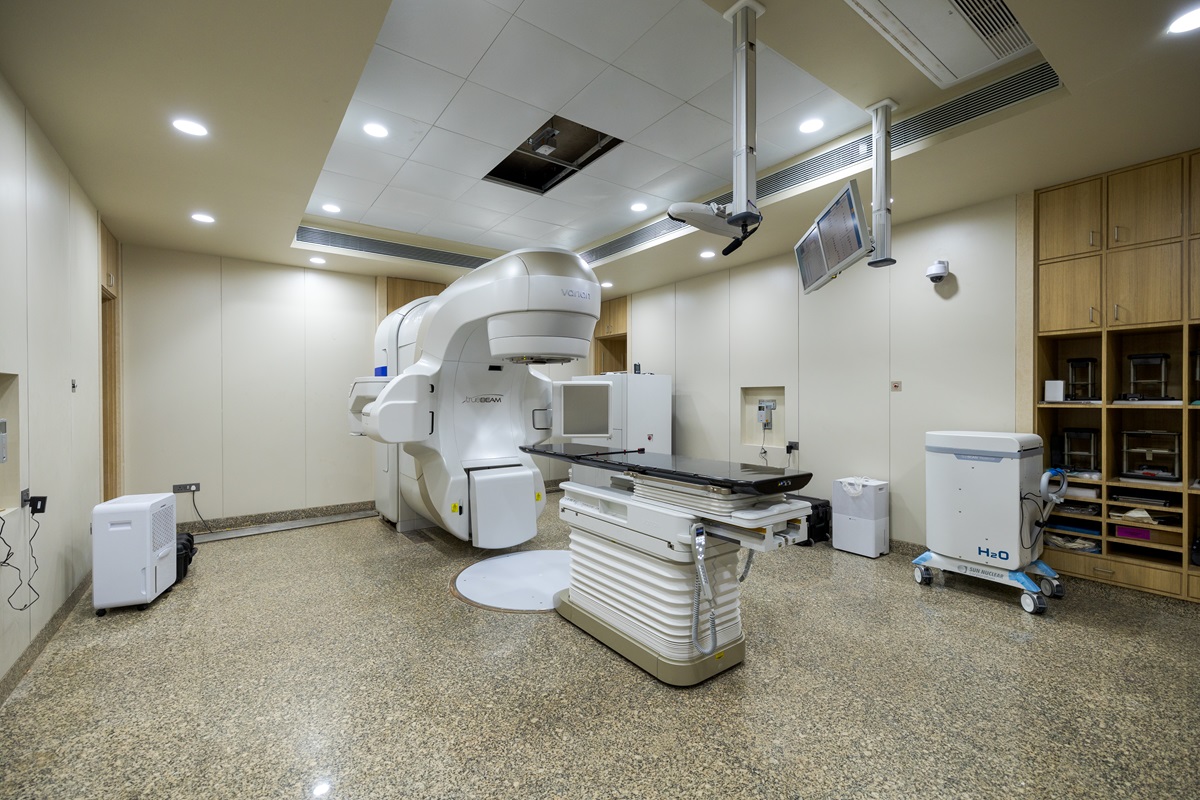
Modern hospitals offer a wide range of surgical procedures supported by advanced infrastructure.
These may include:
- General surgery
- Laparoscopic surgery
- Orthopaedic surgery
- Neurosurgery
- Urological surgery
- Gastrointestinal surgery
Advanced operation theatres, modern anaesthesia systems, and skilled surgical teams contribute to safer procedures and smoother recovery.
Preventive Health Check-up Services
Healthcare isn't only about treating illnesses—it also focuses on preventing them.
Regular health screenings help detect many diseases before symptoms appear.
Health check-up services may include:
- Executive health packages
- Cardiac screening
- Diabetes screening
- Cancer screening
- Women's health packages
- Senior citizen health check-ups
Preventive healthcare allows early intervention, reducing the risk of serious complications.
Intensive Care Services
Patients with life-threatening conditions require continuous monitoring and specialized care.
Leading hospitals provide:
- Medical ICU
- Surgical ICU
- Cardiac ICU
- Neonatal ICU
- Advanced monitoring systems
- Ventilator support
Critical care teams work around the clock to manage complex medical conditions.
Rehabilitation and Physiotherapy
Recovery often continues after surgery or hospitalization.
Rehabilitation services help patients regain mobility, strength, and independence.
These services include:
- Physiotherapy
- Occupational therapy
- Pain management
- Neurological rehabilitation
- Post-operative rehabilitation
Comprehensive rehabilitation improves recovery and enhances quality of life.
Patient-Centered Care
Exceptional hospitals focus on treating patients with compassion and respect.
Patient-centered care includes:
- Clear communication
- Personalized treatment plans
- Nutritional counselling
- Patient education
- Family involvement
- Follow-up support
This approach builds trust and helps patients actively participate in their recovery.
Advanced Medical Technology
Technology plays a major role in improving healthcare.
Modern hospitals use advanced equipment for:
- Accurate diagnosis
- Image-guided procedures
- Minimally invasive surgery
- Critical care monitoring
- High-quality imaging
These advancements contribute to safer treatments and better clinical outcomes.
What Should You Look for in a Hospital?
Before making your decision, consider whether the hospital offers:
- Experienced medical specialists
- Multiple specialties under one roof
- 24×7 emergency services
- Advanced diagnostics
- Modern operation theatres
- Critical care facilities
- Preventive health check-ups
- Rehabilitation services
- Patient safety protocols
- Compassionate nursing care
Choosing a hospital with these features ensures comprehensive healthcare for every stage of life.
Why Comprehensive Healthcare Matters
Many medical conditions require collaboration between different specialists.
• A patient with diabetes may also require care from a cardiologist, nephrologist, ophthalmologist, and dietitian.
• A stroke patient may need neurologists, rehabilitation specialists, physiotherapists, and speech therapists.
When all these specialists work together within one hospital, treatment becomes more efficient and coordinated, improving patient outcomes.
Take the Next Step Towards Better Health
Your health deserves expert care backed by advanced technology, experienced specialists, and a patient-first approach. Whether you need a routine health check-up, emergency medical care, a specialist consultation, or advanced treatment, choosing the right hospital can make all the difference.
At Bombay Hospital Jaipur, we are committed to providing comprehensive healthcare across multiple specialties with modern diagnostics, emergency and trauma services, and personalized treatment plans—all under one roof. If you're looking for trusted medical care for yourself or your loved ones, schedule a consultation with our specialists today and experience quality healthcare designed around your needs.
Schedule a Consultation