

 Cardiology
 Cardiovascular Thoracic Surgery
 Endocrinology
 Neurology
 Neuro Surgery
 Nephrology
 Urology
 Gastroenterology
 Pulmonology
  Plastic Surgery
 Nuclear Medicine
  Anesthesiology
  Transfusion Medicine
  Medical Oncology
  Surgical Oncology
  Radiation Oncology
  Critical Care Medicine
  ENT
ENT General Medicine
 General Surgery
 Gynaecology & Obstetrics
 Ophthalmology
 Orthopaedics
 Paediatrics and Neonatology
  Spine Surgery
 Cathlab
 MRI
(3.0 Tesla)
MRI
(3.0 Tesla) CT
Scan (128 Slice)
CT
Scan (128 Slice) 2D Echo
 TMT
TMT PFT
PFT EEG
EEG EMG
& NCS
EMG
& NCS Audiometry
 Flexible Laryngoscopy
 Endoscopy
& Colonoscopy
Endoscopy
& Colonoscopy Bronchoscopy
 Allergy Testing (Skin Prick Test-SPT)
 Microbiology
 Pathology
 Radio-diagnosis
 Radiation Therapy
 Physiotherapy
 Radiology
 Pharmacy
 AKU
Dialysis
AKU
Dialysis  Emergency Service
 Executive
Health Checkup
Executive
Health Checkup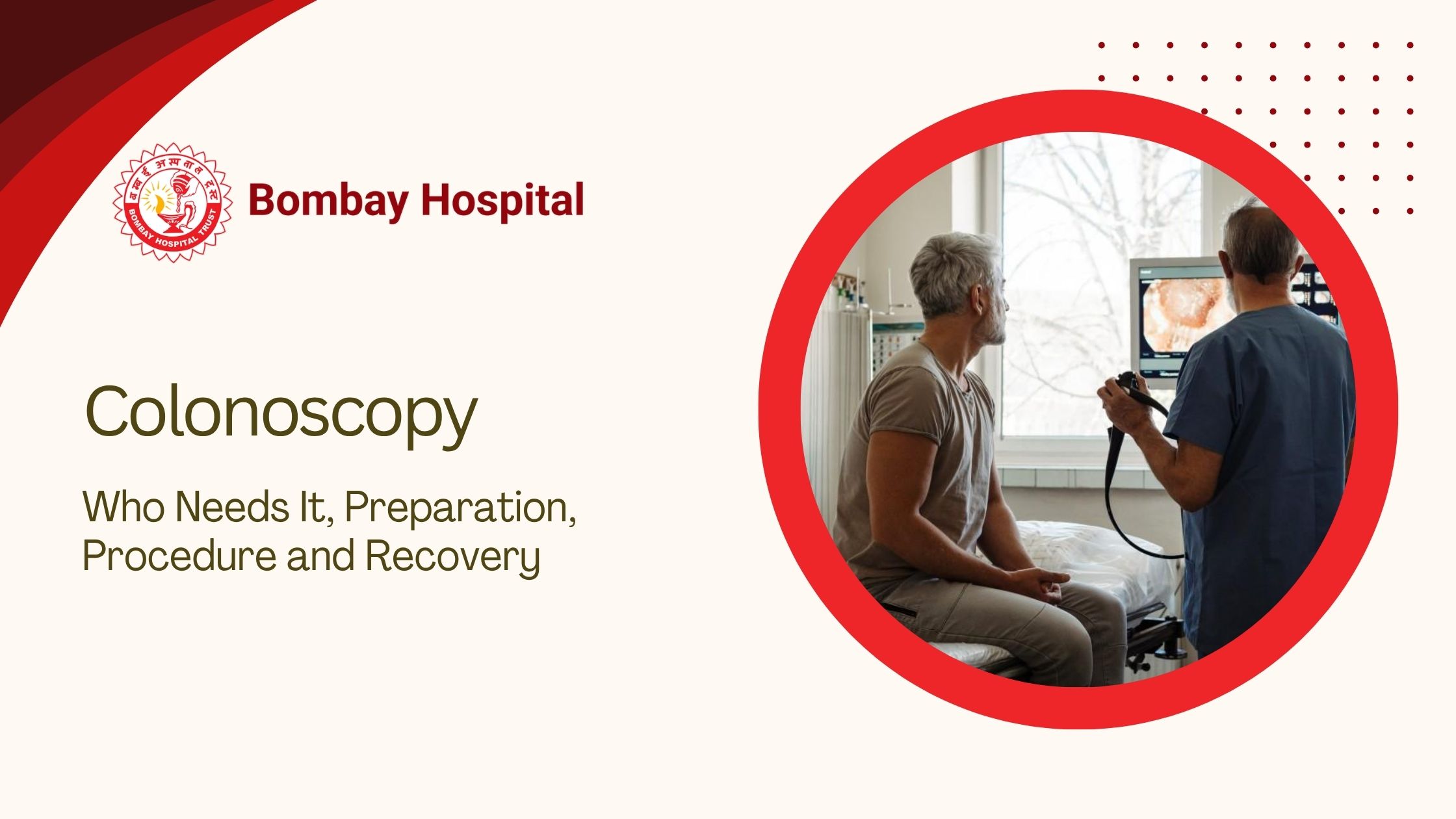
Digestive problems are common, but persistent changes in bowel habits, unexplained bleeding, or ongoing abdominal symptoms should not always be dismissed as a minor stomach issue. In some situations, a doctor may recommend a colonoscopy to examine the inside of the large intestine and identify the cause of symptoms.
A colonoscopy is an important diagnostic procedure used to examine the colon and rectum. It can help doctors identify conditions such as polyps, inflammation, ulcers, bleeding, and colorectal cancer. During the same procedure, doctors may also remove certain polyps or take tissue samples for laboratory examination.
If your doctor has recommended a colonoscopy, understanding why it is needed, how to prepare, what happens during the procedure, and what recovery involves can make the experience much easier.
This guide explains everything you should know before undergoing a colonoscopy.
What Is a Colonoscopy?
A colonoscopy is a procedure used to examine the lining of the rectum and entire large intestine, also called the colon.
During the procedure, a doctor uses a thin, flexible instrument called a colonoscope. It has a small camera and light at its tip, allowing the doctor to view the intestinal lining on a monitor.
If an abnormal area or polyp is found, the doctor may be able to remove it or take a small tissue sample, known as a biopsy, during the same procedure.
Colonoscopy is generally performed as a day-care or outpatient procedure, although the exact arrangements depend on the patient's condition and the hospital.
Who May Need a Colonoscopy?
Not everyone needs a colonoscopy. Your doctor may recommend one based on your symptoms, age, medical history, family history, or the results of another test.
1. Persistent Changes in Bowel Habits
A colonoscopy may be recommended when bowel changes continue without an obvious explanation.
These may include:
- Persistent diarrhoea
- Long-lasting constipation
- A noticeable change in stool pattern
- Alternating constipation and diarrhoea
- A change in stool consistency
Persistent changes should be evaluated rather than repeatedly treated with over-the-counter medicines.
2. Blood in the Stool
Blood in the stool can occur for several reasons, including haemorrhoids, anal fissures, polyps, inflammatory bowel disease, or other conditions.
If you notice unexplained blood in your stool, your doctor may recommend further investigation to identify the source.
A colonoscopy can allow the doctor to directly examine the colon and identify possible causes.
3. Unexplained Abdominal Symptoms
Persistent abdominal pain, cramping, bloating, or discomfort may sometimes require further investigation, particularly when these symptoms occur along with bowel changes, bleeding, weight loss, or other concerning symptoms.
Your doctor will determine whether colonoscopy is appropriate based on your overall symptoms and medical history.
4. Unexplained Iron-Deficiency Anaemia
Iron-deficiency anaemia can sometimes be associated with blood loss from the gastrointestinal tract.
When the cause of anaemia is unclear, doctors may recommend gastrointestinal investigations, which can include colonoscopy, depending on the patient's age, symptoms, and risk factors.
5. Abnormal Screening Results
A colonoscopy may also be recommended after another screening test suggests that further examination is necessary.
In these situations, colonoscopy provides a direct view of the colon and can help determine whether polyps, inflammation, bleeding, or other abnormalities are present.
6. Family or Personal History
People with certain personal or family histories of colorectal cancer or colorectal polyps may require closer monitoring.
The appropriate age to begin screening and how frequently it should be repeated depends on individual risk factors. Your doctor can recommend a screening schedule based on your medical and family history.
What Can a Colonoscopy Detect?
A colonoscopy can help doctors identify a range of conditions affecting the colon and rectum, including:
- Colon polyps
- Colorectal cancer
- Inflammatory bowel disease
- Ulcers
- Unexplained intestinal bleeding
- Inflammation
- Some causes of persistent bowel changes
One important advantage is that certain abnormalities can be treated or sampled during the procedure itself.
For example, a doctor may remove a polyp and send it for laboratory examination.
How Should You Prepare for a Colonoscopy?
Preparation is one of the most important parts of a successful colonoscopy.
For the doctor to clearly examine the intestinal lining, the colon needs to be sufficiently clean. This usually involves dietary instructions and a prescribed bowel-cleansing preparation.
Your hospital will provide specific instructions because preparation can vary depending on the procedure time, your health conditions, and the bowel-preparation medicine being used.
Follow the Recommended Diet
You may be asked to follow a low-fibre or modified diet before the procedure and then switch to clear liquids at a specific stage.
Your doctor or endoscopy team will tell you exactly what you can eat and drink.
Do not follow a generic preparation schedule from the internet instead of your hospital's instructions.
Take the Bowel Preparation Exactly as Directed
The bowel preparation causes frequent bowel movements to clear waste from the colon.
You should follow the prescribed preparation instructions carefully and complete the recommended dose unless your healthcare team tells you otherwise.
Adequate bowel cleansing is important because leftover stool can make it difficult for the doctor to see the intestinal lining clearly and may affect the quality of the examination.
Stay Hydrated
Bowel preparation can result in significant fluid loss.
Your healthcare team will usually advise you to drink appropriate clear fluids during preparation, subject to the fasting instructions you receive.
If you develop significant dizziness, confusion, repeated vomiting, or difficulty completing the preparation, contact your healthcare provider for advice.
Tell Your Doctor About Your Medicines
Before a colonoscopy, inform your doctor about all medicines and supplements you take.
This is particularly important if you use:
- Blood-thinning medicines
- Diabetes medicines
- Iron supplements
- Medicines that affect bowel movements
- Regular prescription medicines
- Herbal or over-the-counter products
Some medicines may need to be temporarily adjusted, but do not stop any medication on your own. Your doctor or endoscopy team should tell you what changes, if any, are required.
Also inform your healthcare team about relevant medical conditions, allergies, pregnancy or possible pregnancy, and implanted cardiac devices when applicable.
What Happens During a Colonoscopy?
On the day of your procedure, the medical team will review your medical history, medications, and preparation. You may need to change into a hospital gown.
The procedure is generally performed while you lie on your side.
Depending on your circumstances and the hospital's protocol, medication may be given to help you relax and remain comfortable. Sedation can make you drowsy, so arrangements for someone to take you home may be necessary.
The doctor then gently guides the colonoscope through the rectum and into the colon while viewing the intestinal lining on a monitor.
Small amounts of air or carbon dioxide may be introduced to help the doctor see the colon. This can cause temporary bloating or cramping.
The procedure itself may take around 20–30 minutes in some settings, although you should expect the entire hospital visit to take considerably longer because of preparation, admission, sedation, and recovery.
Can Polyps Be Removed During a Colonoscopy?
Yes. One of the advantages of colonoscopy is that doctors can often perform certain interventions during the examination.
If a suitable polyp is identified, it may be removed using specialized instruments passed through the colonoscope.
A biopsy may also be taken if the doctor sees tissue that requires further examination.
The sample is then sent to a laboratory, and your doctor will explain when and how the results will be communicated.
What Is Recovery Like After Colonoscopy?
Most people can return home the same day after appropriate observation.
You may experience:
- Mild abdominal cramping
- Temporary bloating
- Increased passing of gas
- Tiredness or sleepiness if sedation was used
These symptoms generally settle as the effects of the procedure and sedation wear off.
Your doctor or nurse will explain when you can eat, drink, resume medications, and return to your normal activities.
What If Sedation Was Used?
If you received sedation, you may remain drowsy for several hours.
You should follow your hospital's instructions regarding driving, alcohol, operating machinery, work, and other activities. You may also need a responsible adult to take you home and stay with you for a specified period.
Make arrangements in advance so you don't have to manage transportation immediately after the procedure.
When Should You Contact a Doctor After Colonoscopy?
Colonoscopy is generally safe, but complications can occasionally occur.
Contact your healthcare provider urgently if you develop symptoms such as:
- Severe or worsening abdominal pain
- Fever
- Heavy rectal bleeding
- Persistent vomiting
- Severe dizziness or weakness
- Other symptoms that concern you
A small amount of bleeding can sometimes occur after a biopsy or polyp removal, but significant or increasing bleeding requires medical assessment.
Is Colonoscopy Painful?
People experience colonoscopy differently.
Some patients experience pressure, bloating, or cramping as the scope moves through the colon. Sedation or other comfort measures may be used depending on the patient's needs and the hospital's protocol.
If you are anxious about the procedure, discuss your concerns with your doctor before the appointment. Understanding what will happen can make the experience less stressful.
How to Make Your Colonoscopy Experience Easier
A few practical steps can help:
- Read your hospital's preparation instructions carefully.
- Follow dietary restrictions exactly.
- Complete the bowel preparation as prescribed.
- Stay appropriately hydrated.
- Tell your doctor about your medications and medical conditions.
- Arrange transportation if sedation is planned.
- Rest if you feel tired.
- Follow dietary and medication instructions.
- Avoid driving if you have been advised not to.
- Watch for unusual symptoms.
- Attend follow-up appointments if recommended.
Choosing the Right Hospital for a Colonoscopy
When undergoing a diagnostic procedure such as colonoscopy, it is important to consider more than the procedure itself.
A well-equipped hospital should have:
- Experienced gastroenterology specialists
- A dedicated endoscopy facility
- Appropriate diagnostic support
- Trained nursing and technical staff
- Anaesthesia and sedation support when required
- Pathology services for biopsy analysis
- Emergency and critical care facilities
- Appropriate infection-control protocols
Having these services available within a multispeciality setting can make diagnosis, treatment, and follow-up more convenient for patients.
For people looking for the Best Multispeciality Hospital in Jaipur, evaluating the hospital's specialist expertise, endoscopy facilities, diagnostic support, patient safety practices, and emergency care capabilities can help in making an informed decision.
Frequently Asked Questions
No. Colonoscopy may also be recommended as part of colorectal cancer screening or surveillance for people with certain risk factors. Screening recommendations vary according to age, personal history, and family history.
The examination itself may take around 20–30 minutes in some settings, but the complete hospital visit can take several hours because of preparation and recovery.
Yes, many polyps can be removed during the procedure. A tissue sample may also be taken for laboratory analysis when appropriate.
If you receive sedation, you may be advised not to drive and may need someone to accompany you home. Follow the specific instructions provided by your hospital.
An inadequately prepared bowel can make it difficult to see the colon clearly and may affect the quality of the examination. In some cases, the procedure may need to be repeated.
Conclusion
A colonoscopy is an important diagnostic and screening procedure that allows doctors to directly examine the colon and identify abnormalities that may otherwise go unnoticed. It can help investigate symptoms such as unexplained bleeding, persistent bowel changes, and certain abdominal complaints, while also allowing suitable polyps to be removed or tissue samples to be collected.
The preparation may seem inconvenient, but following your medical team's instructions carefully is essential for a clear and effective examination. Understanding the procedure and recovery process can also help reduce anxiety and ensure you are prepared for the day of your appointment.
Get Expert Gastrointestinal Care in Jaipur
If your doctor has recommended a colonoscopy, choosing a hospital with experienced specialists, dedicated endoscopy services, advanced diagnostics, and comprehensive emergency support can help ensure that your evaluation is carried out in an appropriate and well-equipped healthcare environment.
Bombay Hospital Jaipur provides access to multidisciplinary medical care and diagnostic services for patients who require evaluation and treatment for a range of health conditions. Speak with the appropriate specialist to understand whether a colonoscopy is suitable for your symptoms and take the next step toward timely diagnosis and care.
Book an Appointment