
 Cardiology
 Cardiovascular Thoracic Surgery
 Endocrinology
 Neurology
 Neuro Surgery
 Nephrology
 Urology
 Gastroenterology
 Pulmonology
  Plastic Surgery
 Nuclear Medicine
  Anesthesiology
  Transfusion Medicine
  Medical Oncology
  Surgical Oncology
  Radiation Oncology
  Critical Care Medicine
  ENT
ENT General Medicine
 General Surgery
 Gynaecology & Obstetrics
 Ophthalmology
 Orthopaedics
 Paediatrics and Neonatology
  Spine Surgery
 Cathlab
 MRI
(3.0 Tesla)
MRI
(3.0 Tesla) CT
Scan (128 Slice)
CT
Scan (128 Slice) 2D Echo
 TMT
TMT PFT
PFT EEG
EEG EMG
& NCS
EMG
& NCS Audiometry
 Flexible Laryngoscopy
 Endoscopy
& Colonoscopy
Endoscopy
& Colonoscopy Bronchoscopy
 Allergy Testing (Skin Prick Test-SPT)
 Microbiology
 Pathology
 Radio-diagnosis
 Radiation Therapy
 Physiotherapy
 Radiology
 Pharmacy
 AKU
Dialysis
AKU
Dialysis  Emergency Service
 Executive
Health Checkup
Executive
Health Checkup
Not every health problem requires a visit to the emergency department. At the same time, some symptoms that appear manageable at first can actually be signs of a serious medical condition that needs immediate attention.
Knowing the difference between Emergency and OPD (Outpatient Department) can help you choose the right level of care and avoid unnecessary delays when urgent treatment is required.
An OPD is generally suitable for planned consultations, routine health concerns, follow-ups, and conditions that are stable. Emergency services are designed for situations where a person needs prompt medical assessment and treatment because delaying care could put their health or life at risk.
If you are looking for Emergency in Jaipur, it is useful to understand which symptoms require immediate hospital attention and which problems can usually be assessed through an OPD appointment.
What Is an OPD?
OPD stands for Outpatient Department.
It is the part of a hospital where patients can consult doctors without being admitted to the hospital.
An OPD visit may be appropriate for:
For example, if you have been experiencing mild acidity for several weeks but do not have severe symptoms, you may be able to schedule an appointment with a physician or gastroenterologist.
Similarly, a patient with stable diabetes or blood pressure may visit the OPD for regular monitoring and treatment adjustments.
What Is Emergency Care?
Emergency care is designed for patients who have an acute illness, injury, or sudden change in health that requires immediate assessment.
Emergency departments typically operate around the clock and are equipped to evaluate patients with potentially serious conditions.
Emergency care may involve:
Rapid clinical assessment
Vital-sign monitoring
Emergency medicines
Blood tests
Imaging
Specialist consultation
Resuscitation
Critical care when required
Emergency procedures or surgery
The exact services available differ between hospitals.
The important principle is simple:
If delaying medical attention could make the condition significantly worse, emergency evaluation may be appropriate.
Emergency vs OPD: What Is the Difference?
| OPD | Emergency |
|---|---|
| Usually planned or scheduled | Usually requires immediate assessment |
| Suitable for stable conditions | Suitable for potentially serious or life-threatening conditions |
| Patients are generally seen according to appointments or clinical priority | Patients are assessed according to urgency |
| Used for consultations and follow-ups | Used for acute illness and injuries |
| May involve routine investigations | May require urgent tests and treatment |
| Hospital admission is generally not required | Admission or ICU care may be required depending on the condition |
One important point is that emergency departments do not necessarily treat patients strictly in the order they arrive.
Patients with the most serious or life-threatening conditions are generally prioritised based on clinical urgency.
When Should You Go to the Emergency Department?
Some symptoms should never be ignored.
Severe Chest Pain
Sudden or severe chest pain, especially when associated with:
- Shortness of breath
- Sweating
- Nausea
- Dizziness
- Fainting
- Pain spreading to the arm, shoulder, back, neck, or jaw
can be a warning sign of a serious heart problem.
Do not wait for a routine OPD appointment if you suspect a medical emergency.
Sudden Difficulty Breathing
Severe breathing difficulty can occur because of several conditions, including serious respiratory problems, heart conditions, allergic reactions, or other emergencies.
Seek immediate medical attention if someone:
- Is struggling to breathe
- Cannot speak normally because of breathlessness
- Has bluish lips or face
- Has severe wheezing
- Develops sudden breathing difficulty
- Becomes confused or unusually drowsy
Severe breathing difficulty should be treated as an emergency.
Signs of a Stroke
A stroke requires urgent medical evaluation.
Warning signs can include:
- Sudden weakness or numbness, particularly on one side
- Sudden difficulty speaking
- Difficulty understanding speech
- Sudden loss or change in vision
- Sudden severe dizziness or loss of balance
- Sudden severe headache without an obvious cause
A useful way to remember some common stroke warning signs is FAST:
- F – Face: Is one side of the face drooping?
- A – Arms: Is one arm weak or difficult to raise?
- S – Speech: Is speech slurred or unusual?
- T – Time: Seek emergency medical help immediately.
Do not wait to see whether the symptoms disappear.
Severe Bleeding
Heavy or uncontrolled bleeding requires urgent medical attention.
This can happen because of:
- Major injuries
- Deep cuts
- Internal bleeding
- Gastrointestinal bleeding
- Complications after surgery
- Certain medical conditions
If bleeding is severe, continuous, or associated with weakness, dizziness, fainting, or confusion, seek emergency care.
Serious Injuries or Trauma
Go to an emergency department after a significant injury, especially if there is:
- Loss of consciousness
- Severe bleeding
- Suspected fracture
- Head injury
- Neck or spine injury
- Severe abdominal pain after trauma
- Difficulty breathing
- Confusion
- Severe pain
- Inability to move a limb normally
Even when an injury does not appear severe externally, internal injuries can sometimes occur.
Loss of Consciousness or Fainting
A brief fainting episode may have many possible causes, some harmless and some serious.
Emergency assessment is particularly important if fainting occurs with:
- Chest pain
- Breathlessness
- Palpitations
- Severe headache
- Seizure-like activity
- Injury
- Confusion
- Pregnancy
- Known heart disease
Repeated or unexplained loss of consciousness should not be ignored.
Severe Allergic Reaction
A severe allergic reaction can develop quickly.
Emergency warning signs include:
- Difficulty breathing
- Swelling of the lips, tongue, or throat
- Severe wheezing
- Difficulty swallowing
- Fainting
- Sudden widespread allergic symptoms
A severe allergic reaction can become life-threatening and requires urgent medical treatment.
Sudden Severe Abdominal Pain
Not every stomach ache is an emergency.
However, sudden or severe abdominal pain, particularly when accompanied by:
- Persistent vomiting
- Abdominal swelling
- Fever
- Fainting
- Blood in vomit or stool
- Severe tenderness
- Difficulty breathing
may require urgent evaluation.
Conditions such as appendicitis, intestinal obstruction, internal bleeding, and certain gallbladder or pancreatic problems can require prompt medical assessment.
Severe or Sudden Headache
Most headaches are not emergencies.
However, seek urgent medical attention for a headache that:
- Starts suddenly and severely
- Is unlike your usual headaches
- Occurs after a significant head injury
- Is accompanied by weakness
- Causes difficulty speaking
- Is associated with confusion
- Occurs with loss of consciousness
- Is accompanied by severe neck stiffness or other concerning symptoms
A sudden, extremely severe headache should not simply be treated with an over-the-counter painkiller and ignored.
Seizures
A seizure may require emergency care, particularly when:
- It is the person's first seizure
- The seizure lasts longer than expected
- Multiple seizures occur without recovery
- The person is injured
- The person has difficulty breathing afterward
- The seizure occurs during pregnancy
If someone is having a seizure, do not place anything in their mouth. Keep them away from nearby hazards and seek emergency medical help when appropriate.
Poisoning or Suspected Overdose
Accidental or intentional ingestion of medicines, chemicals, pesticides, or other potentially harmful substances can require urgent treatment.
Do not wait for symptoms to become severe.
Seek emergency medical help and provide healthcare professionals with information about what was taken, if known.
Do not induce vomiting unless specifically instructed by a healthcare professional.
Sudden Severe Weakness or Confusion
Sudden confusion, inability to respond normally, severe weakness, or a major change in consciousness can be caused by several serious conditions.
These symptoms require prompt medical assessment, particularly when they occur suddenly.
What Problems Usually Belong in the OPD?
Many conditions are better managed through a scheduled consultation when there are no emergency warning signs.
Examples include:
The appropriate specialist may depend on the symptoms.
For example, persistent digestive problems may require a gastroenterologist, while ongoing urinary problems may require a urologist.
What If You Are Not Sure Whether It Is an Emergency?
This is a common concern.
If you are unsure, consider the severity and speed of the symptoms.
Ask yourself:
If the answer to any of these raises concern, it is safer to seek urgent medical assessment rather than waiting for a routine appointment.
When in doubt about a potentially serious medical condition, contact local emergency medical services or seek emergency medical care.
What Happens When You Arrive at the Emergency Department?
When you reach an emergency department, healthcare staff will first assess how urgent your condition is.
This process may include checking:
Blood pressure
Pulse
Breathing rate
Oxygen saturation
Temperature
Level of consciousness
Main symptoms
Relevant medical history
Depending on the situation, doctors may order blood tests, ECG, imaging, or other investigations.
The treatment may include medication, fluids, oxygen, procedures, specialist consultation, or surgery.
Some patients may be discharged after treatment, while others may need hospital admission or intensive care.
Why Is Triage Important in Emergency Care?
You may sometimes notice that another patient who arrived after you is seen before you.
This does not necessarily mean the hospital is ignoring your condition.
Emergency departments use triage to determine which patients need attention most urgently.
For example, someone with severe breathing difficulty or signs of a stroke may need immediate treatment, while a patient with a stable minor injury may be able to wait safely.
The purpose of triage is to prioritise patients based on clinical urgency.
Should You Visit the OPD for a Medical Emergency?
No.
If you are experiencing symptoms that could indicate a serious or life-threatening condition, do not wait for a routine OPD appointment.
For example, someone experiencing sudden chest pain with severe breathlessness should not book a cardiology appointment for the following week.
Similarly, a person with sudden weakness on one side and difficulty speaking should receive urgent medical assessment.
Emergency care is designed for situations where time may matter.
Can Emergency Patients Be Admitted to the Hospital?
Yes.
After assessment and initial treatment, doctors may decide that a patient needs hospital admission.
Admission may be recommended for:
Some patients may require an intensive care unit if they need continuous monitoring or advanced support.
Emergency Care in Jaipur: What Should You Look For?
If you are searching for Emergency in Jaipur, consider whether the hospital provides comprehensive emergency support rather than focusing only on the emergency department itself.
Useful facilities may include:
A hospital with multiple specialties can also be useful when an emergency requires specialist input.
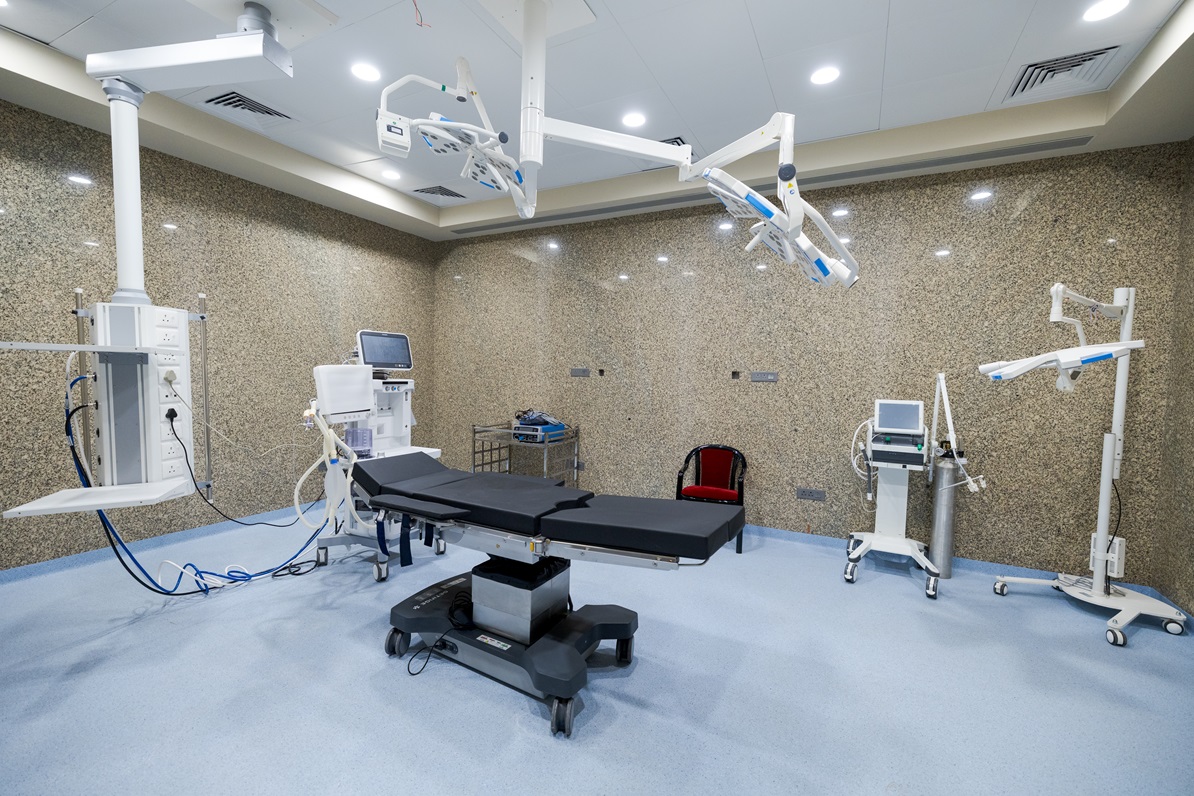
Bombay Hospital Jaipur provides 24-hour emergency services along with critical care, diagnostic services, multiple medical and surgical specialties, and other supporting facilities.
For an actual emergency, however, the nearest appropriate emergency facility and local emergency medical services should be prioritised rather than delaying care to travel to a particular hospital.
How Can Families Prepare for Medical Emergencies?
You cannot predict every emergency, but some preparation can make it easier to respond quickly.
Keep a record of:
Current medicines
Drug allergies
Existing medical conditions
Previous surgeries
Important medical reports
Emergency contact numbers
Doctor's contact details where appropriate
Family members should also know where important medical documents are kept.
If an older adult or someone with a chronic illness lives at home, make sure caregivers know the person's medications and important health conditions.
Emergency Care vs OPD: A Simple Rule
A simple way to think about the difference is:
Choose OPD when:
The condition is stable, non-urgent, or suitable for a planned consultation.
Choose Emergency Care when:
The symptoms are sudden, severe, rapidly worsening, potentially life-threatening, or associated with serious injury or loss of normal function.
When there is uncertainty and the symptoms could represent a serious medical emergency, seek urgent medical advice rather than waiting for a routine appointment.
Frequently Asked Questions
OPD services are generally used for planned consultations, follow-ups, routine investigations, and stable medical conditions. Emergency departments assess and treat acute conditions that require immediate medical attention.
Yes. Emergency departments are designed to assess patients with urgent medical problems without requiring a routine appointment.
Sudden or severe chest pain, particularly when associated with breathlessness, sweating, nausea, dizziness, fainting, or pain spreading to other areas, requires urgent medical assessment.
Seek emergency care after serious injuries, especially when there is loss of consciousness, severe bleeding, suspected fracture, head or spine injury, difficulty breathing, confusion, or severe pain.
If symptoms are persistent but stable and do not involve emergency warning signs, an OPD consultation may be appropriate. Your doctor can determine whether specialist evaluation or additional testing is needed.
If possible, bring information about current medicines, allergies, existing medical conditions, previous reports, and emergency contact details. However, do not delay emergency treatment while collecting documents.
Conclusion
Knowing when to choose Emergency vs OPD can help patients seek the right level of medical care at the right time.
Routine consultations, follow-ups, stable chronic conditions, and non-urgent symptoms can often be managed through OPD services. Sudden chest pain, severe breathing difficulty, stroke symptoms, major injuries, severe bleeding, loss of consciousness, seizures, and other potentially serious conditions require urgent medical assessment.
If you are looking for Emergency in Jaipur, consider hospitals with 24-hour emergency services, diagnostic facilities, critical care, specialist support, and the infrastructure needed to manage serious medical conditions.
If you or someone around you is experiencing potentially life-threatening symptoms, seek emergency medical care immediately rather than waiting for an OPD appointment. For non-emergency concerns, schedule an appropriate consultation with a qualified doctor at Bombay Hospital Jaipur.
Book Appointment