

 Cardiology
 Cardiovascular Thoracic Surgery
 Endocrinology
 Neurology
 Neuro Surgery
 Nephrology
 Urology
 Gastroenterology
 Pulmonology
 Plastic Surgery
 Nuclear Medicine
 Anesthesiology
 Transfusion Medicine
 Medical Oncology
 Surgical Oncology
 Radiation Oncology
 Critical Care Medicine
 ENT
 General Medicine
 General Surgery
 Gynaecology & Obstetrics
 Ophthalmology
 Orthopaedics
 Paediatrics and Neonatology
 Spine Surgery
 Cathlab
 MRI
(3.0 Tesla)
 CT
Scan (128 Slice)
 2D Echo
 TMT
 PFT
 EEG
 EMG
& NCS
 Audiometry
 Flexible Laryngoscopy
 Endoscopy
& Colonoscopy
 Bronchoscopy
 Allergy Testing (Skin Prick Test-SPT)
 Microbiology
 Pathology
 Radio-diagnosis
 Radiation Therapy
 Physiotherapy
 Radiology
 Pharmacy
 AKU
Dialysis
 Emergency Service
 Executive
Health Checkup
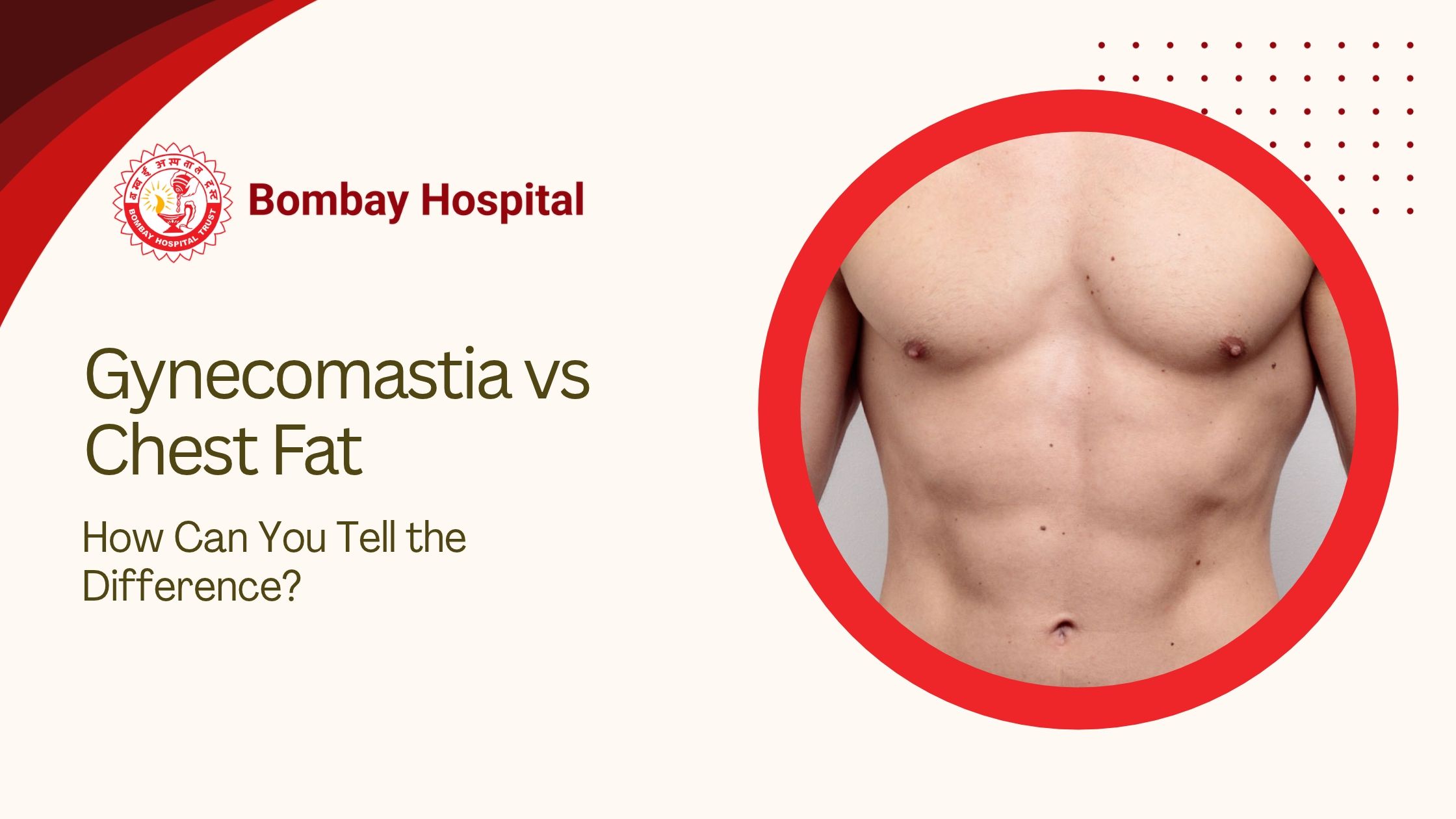
A fuller chest is a common concern among men. Some notice puffiness around the nipples, while others experience an overall increase in chest size that makes the chest appear less defined. Although these changes may look similar, they can have different causes.
In some cases, the enlargement is caused by excess fat in the chest area. In others, it results from the growth of glandular breast tissue, a condition known as gynecomastia. Some men may have a combination of both.
Understanding the difference is important because the appropriate treatment depends on what is causing the enlargement. Weight management may help reduce excess chest fat, whereas persistent glandular tissue may require medical evaluation and, in selected cases, surgery.
If you are considering Gynecomastia Treatment in Jaipur, this guide explains the differences between gynecomastia and chest fat, their possible causes, how doctors diagnose them and what treatment options may be available.
What Is Gynecomastia?
Gynecomastia is an enlargement of male breast tissue caused by an increase in glandular tissue. It commonly develops when the balance between the hormones testosterone and oestrogen changes.
Although it can occur at different ages, gynecomastia is particularly common during puberty and may also develop in older men.
Common features may include:
- Enlargement around one or both nipples
- A firm or rubbery area beneath the nipple
- Breast tenderness or sensitivity
- Puffiness around the areola
- Uneven breast size
- Persistent chest enlargement despite changes in body weight
Gynecomastia is usually benign, but the underlying cause should be assessed when symptoms are new, persistent or unusual.
Hormonal changes are not the only possible cause. Certain medicines, medical conditions affecting hormone levels, and liver, kidney or thyroid disorders can also contribute.
What Is Chest Fat or Pseudogynecomastia?
Chest fat, medically known as pseudogynecomastia or lipomastia, refers to an increase in fatty tissue around the chest without significant enlargement of the breast glands.
It is often associated with overall weight gain or excess body fat. However, fat distribution varies between individuals, so some men may accumulate fat around the chest even when the rest of their body appears relatively lean.
Common features may include:
- A generally soft, fuller chest
- Fat distributed across a broader area
- No distinct glandular disc beneath the nipple on clinical examination
- Changes in chest size alongside overall weight changes
- Reduced chest definition
Pseudogynecomastia is different from true gynecomastia because the main issue is fatty tissue rather than glandular growth. A person can also have both conditions simultaneously.
Gynecomastia vs Chest Fat: Key Differences
| Feature | Gynecomastia | Chest Fat |
|---|---|---|
| Main cause | Enlargement of glandular breast tissue | Accumulation of fatty tissue |
| Feel | May feel firm or rubbery beneath the nipple | Often feels softer and more diffuse |
| Appearance | May cause nipple puffiness or a distinct breast contour | Often produces more general chest fullness |
| Hormonal factors | May be associated with hormonal changes | Usually associated with fat distribution and body composition |
| Effect of weight loss | Glandular tissue may persist | Fat-related fullness may decrease |
| Possible treatment | Treat the cause; surgery may be considered in selected cases | Weight management; liposuction may be considered for persistent localised fat |
| Diagnosis | Clinical assessment, with tests when indicated | Clinical assessment, with tests when indicated |
These are general patterns rather than reliable self-diagnostic rules. The two conditions can look similar, and a physical examination by a qualified healthcare professional is the most useful first step in distinguishing them.
How Can You Recognise the Possible Signs of Gynecomastia?
Although you cannot confirm gynecomastia by appearance alone, certain features may indicate that glandular tissue is contributing to chest enlargement.
Puffiness Around the Nipples
If the nipples appear raised or puffy, particularly when the surrounding chest is relatively flat, glandular tissue may be contributing to the appearance.
However, nipple puffiness can have other causes, and it does not automatically mean you have gynecomastia.
A Firm Area Beneath the Nipple
True gynecomastia may produce a firm or rubbery area of tissue directly beneath the nipple and areola.
Do not rely on repeated pressing or self-examination to make a diagnosis. A clinician can assess the tissue more accurately and determine whether further investigations are needed.
Tenderness or Sensitivity
Some men experience tenderness, discomfort or sensitivity around the nipples, particularly when gynecomastia has developed recently.
Chest fat alone is less likely to cause this specific pattern, although discomfort can occur for other reasons.
Enlargement That Persists Despite Weight Loss
If your overall weight decreases but the enlargement around your nipples remains, glandular tissue may be contributing to the chest shape.
This is not conclusive because skin laxity and remaining fatty tissue can also affect the appearance.
What Causes Gynecomastia?
Gynecomastia develops when the balance or activity of hormones that influence breast tissue changes.
Possible causes include the following.
Hormonal Changes During Puberty
During puberty, hormone levels fluctuate as the body develops. Temporary breast tissue enlargement can occur and often resolves without treatment.
Adolescents should receive medical advice if the enlargement is persistent, painful, rapidly progressive or otherwise concerning.
Age-Related Hormonal Changes
Changes in hormone levels and body composition can contribute to gynecomastia in older men.
New breast enlargement in adulthood should not automatically be attributed to ageing. A clinician may need to assess medications, medical conditions and other possible causes.
Certain Medicines
Some prescription medicines can contribute to breast tissue enlargement.
If you notice changes after starting a medicine, discuss them with your doctor. Do not stop or change a prescribed medicine without medical advice.
Underlying Medical Conditions
Conditions affecting the thyroid, liver, kidneys or reproductive hormones may contribute to gynecomastia in some patients.
The doctor may recommend investigations based on your medical history and examination findings.
Anabolic Steroids and Hormone Products
Anabolic steroids and some hormone-related products can disrupt normal hormonal balance and contribute to breast tissue enlargement.
Tell your doctor about any steroids, supplements or other products you use, including non-prescription products.
What Causes Excess Chest Fat?
Chest fat generally develops as part of changes in body fat distribution.
Common contributing factors include:
- Overall weight gain
- A calorie intake that consistently exceeds energy needs
- Reduced physical activity
- Individual differences in fat distribution
- Changes in body composition with age
Genetics can also influence where the body stores fat.
Chest fat does not necessarily indicate poor fitness. Some men develop localised fat deposits even when they exercise regularly.
If excess body fat is contributing to chest fullness, a sustainable approach to weight management may help. However, losing weight cannot guarantee the removal of all chest fullness, particularly when glandular tissue or loose skin is also present.
Can Exercise and Weight Loss Treat Gynecomastia?
Exercise can improve general fitness, help manage body fat and strengthen the chest muscles. However, it does not directly remove enlarged breast gland tissue.
Exercises such as push-ups, bench presses and other chest-strengthening movements may improve muscle development, but they cannot selectively burn fat from the chest or eliminate glandular tissue.
If the enlargement is mainly caused by excess fat, weight management may reduce its appearance. If true gynecomastia is present, the glandular component may remain even after substantial weight loss.
This distinction is important before committing to an exercise programme or considering a surgical procedure.
How Is Gynecomastia Diagnosed?
A doctor usually begins with a medical history and physical examination.
The assessment may include questions about:
- When the enlargement began
- Whether one or both sides are affected
- Pain or tenderness
- Recent weight changes
- Current medicines and supplements
- Previous medical conditions
- Other symptoms that may suggest hormonal changes
The doctor examines the chest to assess the distribution and nature of the tissue. Depending on the findings, they may recommend blood tests, imaging or other investigations.
Not every patient needs extensive testing. The choice depends on the clinical assessment and whether there are signs of an underlying condition.
When Should You Seek Medical Evaluation?
Arrange a medical assessment if you notice:
- New or rapidly increasing breast enlargement
- A hard or fixed lump
- A lump away from the nipple area
- Nipple discharge, particularly blood-stained discharge
- Skin dimpling or nipple retraction
- Persistent or significant pain
- A lump in the armpit
Male breast cancer is uncommon, but these symptoms should not be ignored. Seek prompt medical advice rather than assuming the changes are caused by gynecomastia or chest fat.
What Are the Treatment Options for Gynecomastia?
Treatment depends on the cause, duration, symptoms and the patient's individual circumstances. Not everyone needs medication or surgery.
Observation and Follow-Up
Gynecomastia associated with normal puberty-related hormonal changes often improves over time.
When appropriate, the doctor may recommend observation and periodic follow-up rather than immediate treatment.
Treating an Underlying Cause
If a medicine or medical condition is contributing to breast enlargement, the doctor may recommend adjusting the treatment plan or managing the underlying condition.
Medication changes should always be supervised by the prescribing clinician.
Medication in Selected Cases
In some circumstances, a doctor may consider medication for gynecomastia, particularly when symptoms are recent or associated with specific clinical factors.
Medication is not suitable for every patient, and treatment decisions should be made by a qualified clinician. Avoid taking hormone-related medicines or unverified supplements without medical supervision.
Gynecomastia Surgery
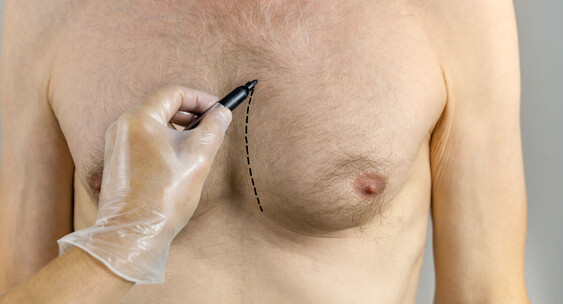
Surgery may be considered when glandular enlargement persists, causes significant discomfort or affects a patient's quality of life.
Depending on the tissue involved, the surgeon may remove glandular tissue, use liposuction to remove excess fat, or combine the techniques.
The surgical plan depends on the degree of enlargement, skin elasticity, chest shape and the patient's goals.
Can Liposuction Treat Chest Fat?
Liposuction can remove localised fat deposits from the chest and may be considered when excess fatty tissue is the main concern.
However, liposuction alone does not remove significant glandular breast tissue. If true gynecomastia is present, gland removal may also be required.
Some patients have both glandular tissue and excess fat, making a combined approach appropriate.
A surgeon must assess the chest before recommending a procedure. Liposuction is not a substitute for medical evaluation when breast enlargement has an unexplained or suspicious cause.
What Should You Know Before Gynecomastia Surgery?
If surgery is being considered, a consultation helps determine whether the procedure is appropriate and what outcome may realistically be achieved.
Your surgeon may discuss:
- The amount of glandular tissue and fat present
- Whether liposuction, gland removal or both may be needed
- The location and visibility of scars
- Skin elasticity and the possibility of excess skin
- Anaesthesia and surgical risks
- Expected recovery time
- Postoperative compression garments, if recommended
- Follow-up appointments and long-term results
Like other operations, gynecomastia surgery carries potential risks, including bleeding, infection, fluid accumulation, changes in sensation, uneven contours and scarring.
A personalised assessment helps ensure that the proposed treatment addresses the actual cause of the chest enlargement.
Choosing Gynecomastia Treatment in Jaipur
If chest enlargement is affecting your comfort, clothing choices or confidence, consider speaking with a qualified plastic surgeon or another appropriate medical specialist.
When seeking Gynecomastia Treatment in Jaipur, look for a clinician who can assess whether the enlargement is caused by glandular tissue, excess fat or a combination of both.
A good consultation should explain the likely cause, whether additional tests are needed, available treatment options and the potential benefits and risks of each approach.
At Bombay Hospital Jaipur, patients can seek specialist guidance to understand their concerns and discuss suitable treatment options based on their individual assessment.
Frequently Asked Questions
Gynecomastia involves enlarged glandular tissue, while chest fat results from fatty tissue accumulation. The conditions can look similar, so a clinical examination is the best way to distinguish them.
Weight loss may reduce the fatty component of chest enlargement but does not reliably remove glandular breast tissue. If both are present, the overall appearance may improve while some enlargement remains.
Exercise can strengthen chest muscles and improve body composition, but it cannot directly eliminate glandular breast tissue. Persistent enlargement may require medical evaluation.
Gynecomastia is usually benign, but the cause should be assessed when enlargement is new, persistent or associated with unusual symptoms. A hard lump, nipple discharge or skin changes require prompt medical evaluation.
No. Some cases improve without surgery, particularly those related to temporary hormonal changes. Surgery may be considered when enlargement persists or causes significant discomfort or distress.
Gynecomastia surgery may involve removing glandular tissue, fat or both. Liposuction primarily removes fat and may not be sufficient when significant glandular tissue is present.
Conclusion
Gynecomastia and chest fat can produce a similar appearance, but they have different underlying causes. Gynecomastia involves enlarged glandular breast tissue, while pseudogynecomastia results from excess fat in the chest. Some men have both, which is why a professional assessment is important before choosing treatment.
If you are considering Gynecomastia Treatment in Jaipur, consult a qualified specialist to understand the cause of your chest enlargement and whether observation, treatment of an underlying condition, liposuction or surgery may be appropriate.
The right approach begins with an accurate diagnosis and an individualised treatment plan—not simply trying to reduce chest size through exercise or choosing surgery based on appearance alone.
Book an Appointment