
 Cardiology
 Cardiovascular Thoracic Surgery
 Endocrinology
 Neurology
 Neuro Surgery
 Nephrology
 Urology
 Gastroenterology
 Pulmonology
 Plastic Surgery
 Nuclear Medicine
 Anesthesiology
 Transfusion Medicine
 Medical Oncology
 Surgical Oncology
 Radiation Oncology
 Critical Care Medicine
 ENT
 General Medicine
 General Surgery
 Gynaecology & Obstetrics
 Ophthalmology
 Orthopaedics
 Paediatrics and Neonatology
 Spine Surgery
 Cathlab
 MRI
(3.0 Tesla)
 CT
Scan (128 Slice)
 2D Echo
 TMT
 PFT
 EEG
 EMG
& NCS
 Audiometry
 Flexible Laryngoscopy
 Endoscopy
& Colonoscopy
 Bronchoscopy
 Allergy Testing (Skin Prick Test-SPT)
 Microbiology
 Pathology
 Radio-diagnosis
 Radiation Therapy
 Physiotherapy
 Radiology
 Pharmacy
 AKU
Dialysis
 Emergency Service
 Executive
Health Checkup
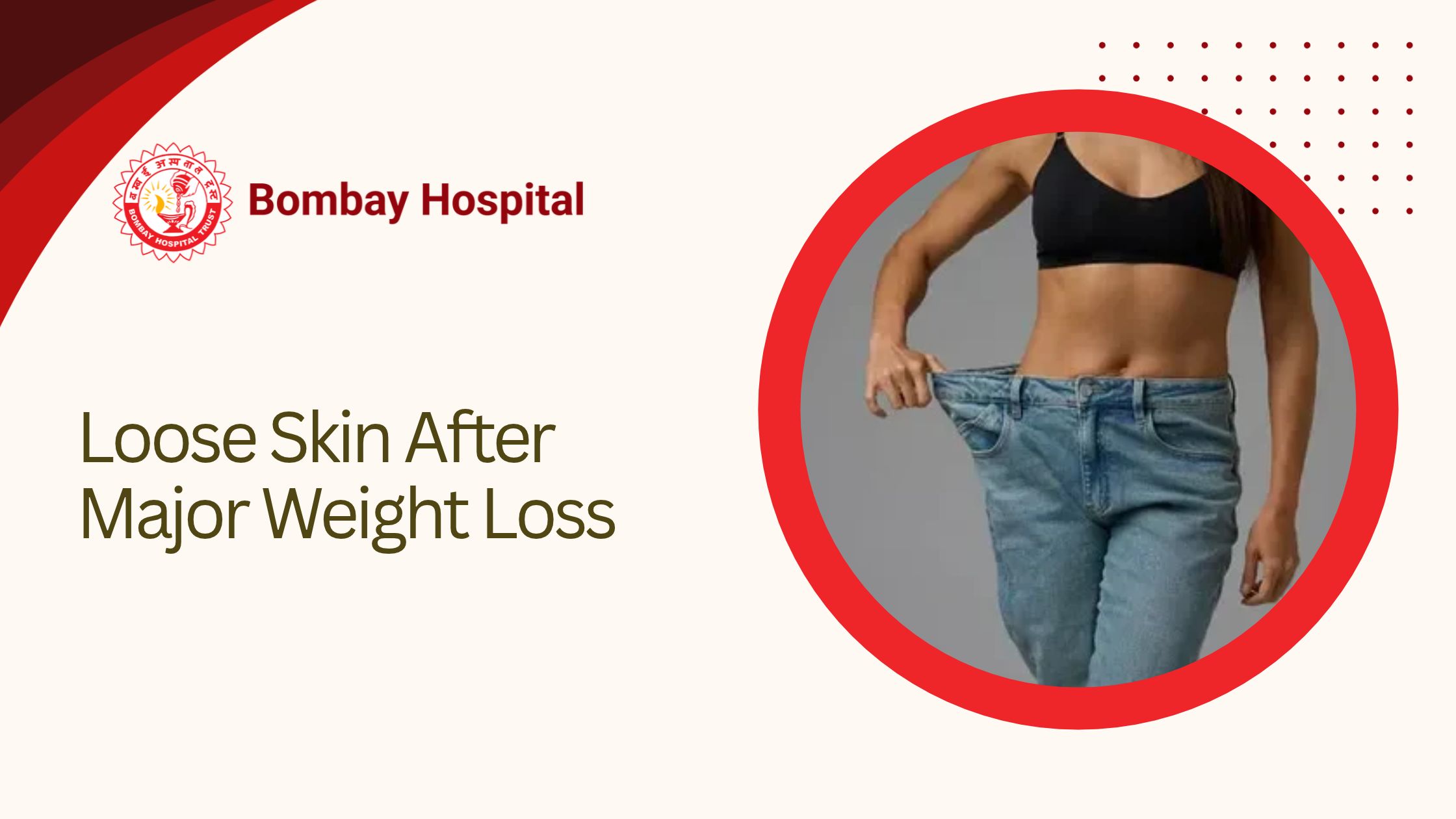
Losing a significant amount of weight can be a major achievement. It may improve mobility, support better metabolic health and make everyday activities easier. However, after reaching a weight-loss goal, some people notice loose or sagging skin around the abdomen, arms, thighs, breasts and other areas of the body.
This happens because the skin may not have enough elasticity to shrink back completely after being stretched for a long time. The amount of loose skin varies depending on age, genetics, the duration of excess weight and how much weight has been lost.
For some individuals, loose skin is primarily a cosmetic concern. For others, excess folds can cause skin irritation, rashes, hygiene difficulties and discomfort during exercise or daily activities.
If you have undergone Weight Loss Treatment in Jaipur or achieved significant weight loss through lifestyle changes, understanding the available options can help you manage loose skin. Treatments range from non-surgical skin-tightening procedures to surgical body contouring, depending on the amount of excess skin and your overall health.
Why Does Loose Skin Develop After Major Weight Loss?
The skin contains collagen and elastin, which help it maintain its structure and flexibility. When the body gains weight, the skin stretches to accommodate the increased volume.
After substantial weight loss, the underlying fat volume decreases. However, the stretched skin may not contract sufficiently to match the body's new shape.
Several factors influence how much loose skin develops.
Amount of Weight Lost
Losing a substantial amount of weight generally increases the possibility of having excess skin, particularly when the weight loss occurs over a relatively short period.
Age
Skin elasticity naturally decreases with age. Younger skin may have a greater ability to adapt to changes in body size, although individual results vary.
Duration of Excess Weight
People who have carried excess weight for many years may experience more noticeable skin laxity because the skin has remained stretched for a longer period.
Genetics
Genetic factors influence skin thickness, elasticity and the body's ability to recover after weight changes.
Lifestyle Factors
Smoking, sun exposure, poor nutrition and dehydration can affect overall skin health and may contribute to reduced skin quality.
Which Areas of the Body Are Commonly Affected?
Loose skin can develop in different parts of the body depending on where fat was previously stored.
Commonly affected areas include:
- Abdomen: Loose skin may hang over the lower abdomen, sometimes forming an abdominal apron.
- Upper Arms: Excess skin may create a hanging appearance along the inner arms.
- Thighs: Loose skin may develop around the inner and outer thighs.
- Breasts: Significant weight loss may cause reduced breast volume, sagging and changes in breast shape.
- Back and Waist: Excess skin may form folds around the lower back and sides.
- Face and Neck: Weight loss may make existing skin laxity more noticeable around the cheeks, jawline and neck.
The appropriate treatment depends on the location, amount and severity of excess skin.
Can Loose Skin Tighten Naturally After Weight Loss?
Mild skin laxity may improve to some extent over time, particularly in younger individuals with better skin elasticity. However, significant excess skin is unlikely to disappear completely without treatment.
Certain lifestyle measures can support skin health and improve overall body composition.
Maintain a Stable Weight
After major weight loss, maintaining a consistent and healthy weight can help prevent further stretching of the skin.
Include Strength Training
Resistance exercises can build muscle beneath the skin and improve body composition. This may make some areas appear firmer, although exercise cannot remove large folds of excess skin.
Follow a Balanced Diet
Adequate protein, vitamins, minerals and other nutrients support normal tissue health and healing. People who have undergone bariatric surgery may need additional nutritional monitoring because certain deficiencies can develop.
Stay Hydrated
Adequate hydration supports normal skin function. However, drinking more water does not remove significant excess skin.
Avoid Smoking
Smoking can affect collagen, skin quality and wound healing. Avoiding tobacco is particularly important if you are considering body contouring surgery.
These measures support general health, but they cannot reliably eliminate substantial loose skin.
What Are the Treatment Options for Loose Skin After Major Weight Loss?
Treatment depends on how much excess skin is present and whether the main concern is mild skin laxity, excess fat or significant hanging skin.
Options include non-surgical skin tightening and surgical body contouring.
1. Non-Surgical Skin Tightening Treatments
Non-surgical treatments may be considered for people with mild skin laxity who do not have large folds of excess skin.
Depending on the technology, these procedures use controlled energy to stimulate collagen production and improve skin firmness.
Common options include:
Radiofrequency Skin Tightening
Radiofrequency treatments deliver controlled heat to selected skin layers. The aim is to stimulate collagen remodelling and improve skin firmness gradually.
These treatments may help with mild laxity but cannot remove substantial excess skin.
Ultrasound-Based Skin Tightening
Certain ultrasound technologies deliver focused energy to deeper tissue layers. This may stimulate collagen production and provide gradual improvement in selected areas.
Results depend on the technology, treatment area and degree of skin laxity.
Laser-Based Treatments
Some laser procedures improve skin texture and stimulate collagen remodelling. They may be useful for selected concerns involving mild skin laxity, fine lines and skin quality.
Non-surgical treatments generally have less downtime than surgery, but results are usually more modest. Multiple sessions may be required, and not every device is suitable for every body area.
2. Tummy Tuck (Abdominoplasty)
A tummy tuck, also known as abdominoplasty, is a surgical procedure that removes excess skin and selected fat from the abdominal area.
It may also involve tightening the abdominal muscles when muscle separation or laxity is present.
A tummy tuck may be considered for people who have:
- Loose skin around the lower abdomen
- An overhanging abdominal skin fold
- Excess skin following major weight loss
- Abdominal muscle separation in suitable cases
- Difficulty with clothing or physical activity due to excess abdominal tissue
The procedure involves an incision, generally placed low on the abdomen. Excess skin is removed, and the remaining skin is repositioned.
A tummy tuck is a body-contouring procedure, not a weight-loss treatment. It is generally considered after weight has stabilised.
3. Arm Lift (Brachioplasty)
An arm lift, medically known as brachioplasty, is designed to remove excess skin from the upper arms.
After major weight loss, the skin around the upper arms may become loose and hang down, particularly along the inner arm.
During surgery, the surgeon removes selected excess skin and may address associated fat deposits depending on the patient's anatomy.
An arm lift can improve the contour of the upper arms, although it involves a scar that may extend along the inner arm.
4. Thigh Lift (Thighplasty)
A thigh lift is a surgical procedure that removes excess skin and, when appropriate, fat from the thighs.
It may be considered when loose skin develops around the inner or outer thighs following significant weight loss.
Depending on the amount and location of excess skin, the surgeon may recommend:
- Inner thigh lift
- Vertical thigh lift
- Outer thigh lift
The procedure can improve thigh contour and may reduce friction caused by overlapping skin folds.
The incision pattern and resulting scars depend on the surgical technique and amount of skin removed.
5. Breast Lift After Weight Loss
Significant weight loss can reduce breast volume and affect skin elasticity, resulting in sagging or changes in breast shape.
A breast lift, also called mastopexy, removes selected excess skin and reshapes the remaining breast tissue to improve breast position.
Some patients may also consider breast augmentation if they wish to restore lost volume. The appropriate approach depends on breast anatomy, skin quality and individual goals.
6. Lower Body Lift
When loose skin affects multiple areas around the lower torso, a lower body lift may be considered.
This procedure, also called a belt lipectomy, addresses excess skin around areas such as:
- Lower abdomen
- Waist and flanks
- Lower back
- Buttocks
- Outer thighs
A lower body lift involves more extensive surgery than a standard tummy tuck. It may be recommended for selected patients with significant skin excess following major weight loss.
Depending on the patient's health and surgical goals, procedures may be performed together or in stages.
Surgical vs Non-Surgical Treatment: What Is the Difference?
Both approaches can improve body appearance, but they are intended for different degrees of skin laxity.
| Comparison | Non-Surgical Skin Tightening | Surgical Body Contouring |
|---|---|---|
| Main purpose | Improve mild skin laxity | Remove excess skin and reshape body contours |
| Treatment method | Energy-based technologies | Surgical removal and repositioning of tissue |
| Best suited for | Mild skin looseness | Moderate to significant excess skin |
| Incisions | Generally not required for non-invasive treatments | Required |
| Results | Usually gradual and modest | Generally more noticeable for significant skin excess |
| Downtime | Usually shorter | Longer recovery |
| Scarring | No traditional surgical scars with non-invasive treatments | Permanent scars are expected |
| Repeat treatment | May require multiple sessions or maintenance | Additional surgery may be needed in selected cases |
The most appropriate option depends on the amount of loose skin, skin quality, general health and expectations.
Who Is a Suitable Candidate for Body Contouring Surgery?
Body contouring surgery may be considered for individuals who have significant excess skin after losing a substantial amount of weight.
A suitable candidate generally:
- Has reached a stable weight and is maintaining it.
- Is in good overall health.
- Has excess skin that causes physical discomfort or affects body contour.
- Does not smoke or is willing to stop smoking as advised.
- Has realistic expectations about results and surgical scars.
- Has adequate nutritional status to support healing.
Surgeons commonly recommend waiting until weight has stabilised for several months before elective body-contouring surgery. The exact timing depends on the individual's weight-loss journey, medical condition and nutritional health.
People who have undergone bariatric surgery may require additional nutritional assessment before surgery.
What Happens During Body Contouring Surgery?
The surgical process varies depending on the body area being treated.
Initial Consultation
The plastic surgeon evaluates the amount and distribution of excess skin, body proportions, weight history and medical background.
You can discuss the areas that cause discomfort and the changes you hope to achieve.
Medical Evaluation
The surgeon may recommend blood tests and other investigations to assess general health, nutritional status and fitness for surgery.
Surgical Planning
The appropriate procedure is selected according to the location and severity of excess skin.
If multiple areas require treatment, the surgeon may recommend separate procedures rather than performing everything in one operation.
Surgery
Depending on the procedure, surgery may be performed under general anaesthesia. Excess skin is removed, and the remaining tissue is reshaped to improve body contour.
Postoperative Monitoring
After surgery, patients receive instructions regarding wound care, compression garments, movement and activity restrictions. Follow-up visits help monitor healing and identify complications.
What Is the Recovery Period After Loose Skin Removal Surgery?
Recovery depends on the procedure, the amount of tissue removed and individual healing.
Some common aspects of recovery include:
First Few Days: Swelling, bruising, tightness and discomfort may occur. Pain medication and wound-care instructions are provided as needed.
First Two Weeks: Patients generally need rest and should avoid strenuous activities. Surgical drains may be used in some procedures to remove excess fluid.
Following Weeks: Gradual improvement in swelling and mobility is expected. Compression garments may be recommended to support the treated areas.
After Several Weeks: Patients may gradually return to normal activities depending on healing and the surgeon's advice. Complete recovery can take several months, particularly after extensive procedures.
Follow-up appointments are important throughout the recovery process.
What Are the Risks of Loose Skin Removal Surgery?
Body contouring surgery can improve body shape, but it is still major surgery and involves potential risks.
Possible complications include:
- Bleeding or infection
- Fluid accumulation beneath the skin
- Delayed wound healing
- Visible or widened scars
- Changes in skin sensation
- Skin irregularities or asymmetry
- Blood clots
- Anaesthesia-related complications
- Need for additional corrective surgery
The risks may be higher in people with certain medical conditions, nutritional deficiencies, smoking history or unstable weight.
A qualified plastic surgeon will assess individual risk factors and explain the precautions required before surgery.
Why Is Weight Stability Important Before Body Contouring?
Weight stability is an important consideration because further weight loss after surgery may cause additional skin looseness, while significant weight gain can affect the surgical results.
Body contouring is intended to address excess skin remaining after weight loss, not to replace weight management.
Before surgery, it is important to:
- Reach a sustainable weight.
- Maintain that weight for an appropriate period.
- Address nutritional deficiencies.
- Manage diabetes and other medical conditions.
- Discuss future pregnancy plans, where relevant.
- Follow the surgeon's recommendations regarding smoking and medication.
A stable weight helps the surgeon plan the procedure more accurately and supports more predictable long-term results.
How to Choose the Right Treatment for Loose Skin in Jaipur?
If you are considering Weight Loss Treatment in Jaipur and have concerns about loose skin after significant weight loss, it is important to understand that weight management and excess skin removal are different aspects of care.
Consider the following before selecting a treatment:
Identify the affected areas: Determine whether loose skin is mainly around the abdomen, arms, thighs, breasts or multiple body areas.
Assess the severity: Mild skin laxity may be suitable for non-surgical treatments, while significant hanging skin may require surgery.
Check weight stability: Discuss whether you have maintained a stable weight for long enough to consider body contouring.
Evaluate overall health: Nutritional status, medical conditions and smoking history can influence surgical suitability.
Understand the scars and recovery: Ask about incision placement, recovery time, activity restrictions and possible complications.
Choose a qualified surgeon: Seek a plastic surgeon with appropriate qualifications and experience in post-weight-loss body contouring.
A personalised consultation can help identify the treatment approach that best matches your needs.
Frequently Asked Questions
Mild skin laxity may improve to some extent over time, but significant excess skin often does not disappear naturally. The outcome depends on age, genetics, skin elasticity and the amount of weight lost.
Strength training can build muscle beneath the skin and improve overall body composition. However, exercise cannot remove large folds of excess skin.
Surgery is generally considered after weight has stabilised for several months. The appropriate waiting period depends on your weight-loss history, nutritional health and medical condition. Your surgeon can advise you on the right timing.
A tummy tuck can remove a significant amount of excess abdominal skin, but the extent of correction depends on the amount and distribution of loose tissue. It may not address skin excess around the back, thighs or other areas.
Liposuction removes localised fat but does not remove significant excess skin. In some patients, removing fat without addressing skin laxity may make loose skin more noticeable. A surgeon may recommend skin removal or a combined approach depending on the assessment.
They may provide modest improvement in selected cases involving mild skin laxity. However, they cannot reliably remove large amounts of hanging skin. Surgical body contouring is generally more appropriate for substantial excess skin.
Yes, selected procedures may be combined, but extensive body contouring is sometimes performed in stages to manage surgical risk and recovery. The decision depends on the patient's health, the amount of tissue involved and the surgeon's assessment.
Take the Next Step Towards Better Body Contours
Loose skin after major weight loss is common and does not mean that your weight-loss efforts have been unsuccessful. However, when excess skin causes discomfort, irritation or difficulty with daily activities, treatment may help improve comfort and body contour.
Options range from non-surgical skin tightening to procedures such as tummy tuck, arm lift, thigh lift and lower body lift. The right approach depends on your skin condition, weight stability, health and expectations.
If you are exploring Weight Loss Treatment in Jaipur and want to understand your options after significant weight loss, consult the plastic surgery team at Bombay Hospital Jaipur. A personalised assessment can help determine whether non-surgical treatment or body contouring surgery is suitable for your needs.
Book an Appointment