
 Cardiology
 Cardiovascular Thoracic Surgery
 Endocrinology
 Neurology
 Neuro Surgery
 Nephrology
 Urology
 Gastroenterology
 Pulmonology
  Plastic Surgery
 Nuclear Medicine
  Anesthesiology
  Transfusion Medicine
  Medical Oncology
  Surgical Oncology
  Radiation Oncology
  Critical Care Medicine
  ENT
ENT General Medicine
 General Surgery
 Gynaecology & Obstetrics
 Ophthalmology
 Orthopaedics
 Paediatrics and Neonatology
  Spine Surgery
 Cathlab
 MRI
(3.0 Tesla)
MRI
(3.0 Tesla) CT
Scan (128 Slice)
CT
Scan (128 Slice) 2D Echo
 TMT
TMT PFT
PFT EEG
EEG EMG
& NCS
EMG
& NCS Audiometry
 Flexible Laryngoscopy
 Endoscopy
& Colonoscopy
Endoscopy
& Colonoscopy Bronchoscopy
 Allergy Testing (Skin Prick Test-SPT)
 Microbiology
 Pathology
 Radio-diagnosis
 Radiation Therapy
 Physiotherapy
 Radiology
 Pharmacy
 AKU
Dialysis
AKU
Dialysis  Emergency Service
 Executive
Health Checkup
Executive
Health Checkup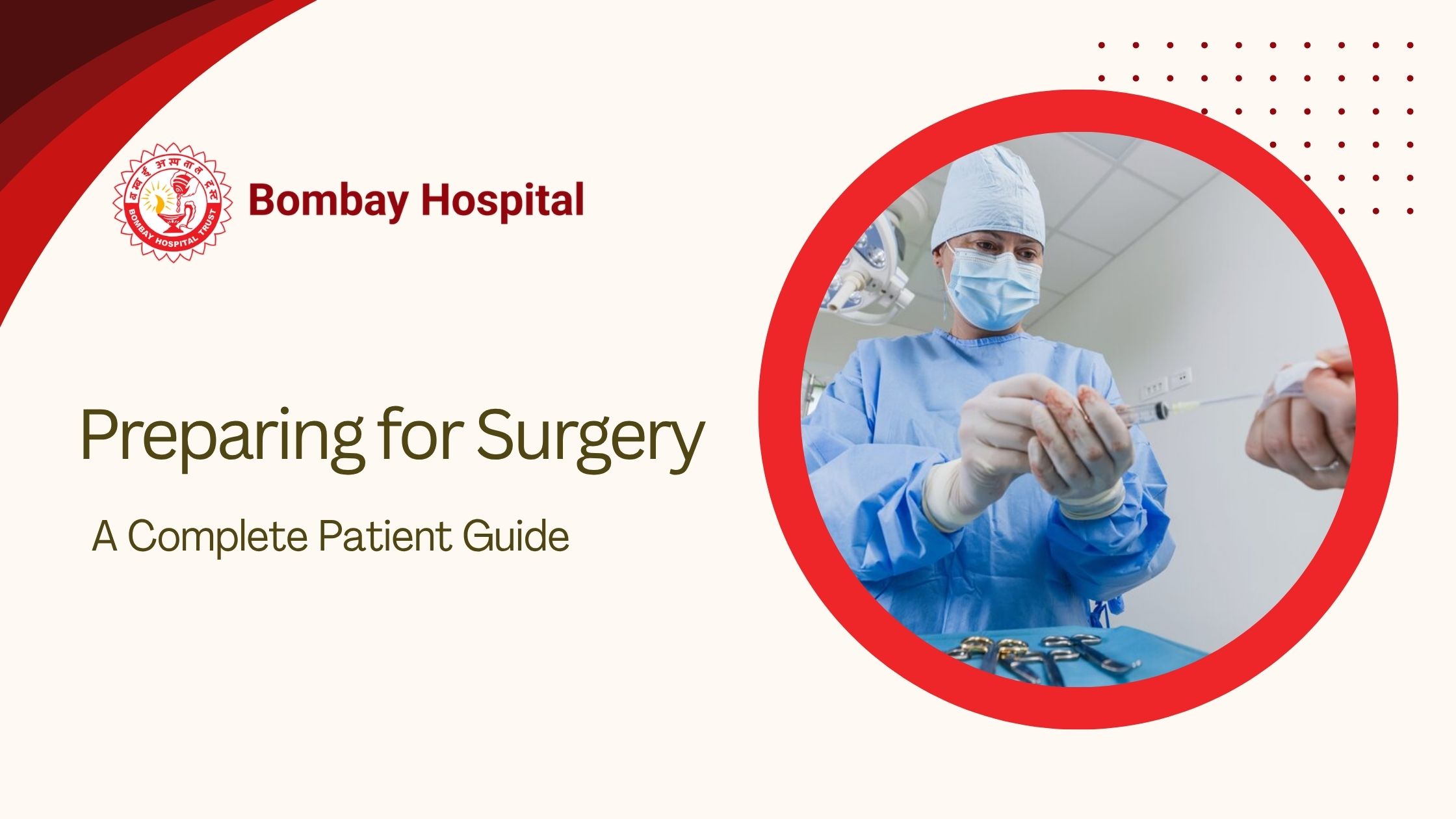
Being told that you need surgery can bring a mix of emotions. You may feel relieved that treatment is available, but you may also have questions about the procedure, anaesthesia, tests, medicines, food restrictions, recovery, and what you should do before coming to the hospital.
Good preparation can make the surgical experience more organised and help you feel more confident about your treatment. While every operation is different, there are several general steps most patients can expect before surgery.
If you are planning a procedure, choosing a hospital with experienced specialists, appropriate diagnostic facilities, anaesthesia services, operating rooms, and postoperative care is important. A Best Multispeciality Hospital in Jaipur should be able to provide coordinated care from pre-surgical assessment through recovery.
Why Is Preparation Before Surgery Important?
Surgery is not limited to what happens inside the operating room. Safe surgical care begins before the procedure and continues during recovery.
Before surgery, your healthcare team needs to understand your overall health, identify potential risks, review your medicines, and determine whether any additional tests or precautions are required.
A preoperative assessment may include a review of your medical history, physical examination, blood tests, urine tests, imaging, or other investigations depending on the type of surgery and anaesthesia planned.
The World Health Organization also recommends structured safety checks around surgery. Its Surgical Safety Checklist covers important stages before anaesthesia, before the surgical incision, and before the patient leaves the operating room.
1. Understand Why You Need Surgery
Before agreeing to an operation, make sure you understand why your doctor has recommended it.
Ask your surgeon:
- What condition is being treated?
- Why is surgery being recommended?
- Are there non-surgical treatment options?
- What will happen if I delay treatment?
- What type of surgery is planned?
- What are the expected benefits?
- What are the possible risks?
- How long might recovery take?
You do not need to remember everything discussed during the consultation. Consider writing down your questions beforehand and taking notes during the discussion.
Understanding the purpose of surgery can help you make an informed decision and prepare realistically for recovery.
2. Tell Your Doctor About Your Medical History
Your surgical team needs a complete picture of your health.
Tell your doctor if you have or have previously had:
- Diabetes
- High blood pressure
- Heart disease
- Asthma or other breathing problems
- Kidney or liver disease
- Previous complications with anaesthesia
- Bleeding or clotting problems
- Allergies
- Previous surgeries
- Any recent illness or infection
Also tell your healthcare team if you are pregnant or think you may be pregnant.
Do not assume that a condition is too minor to mention. Even seemingly unrelated health information can be relevant when planning anaesthesia or surgery.
3. Make a Complete List of Your Medicines
One of the most important parts of surgical preparation is providing your doctor with an accurate list of everything you take.
This includes:
- Prescription medicines
- Over-the-counter medicines
- Painkillers
- Vitamins
- Herbal products
- Dietary supplements
- Medicines taken occasionally
Some medicines may need to be continued, while others may need to be temporarily adjusted or stopped before surgery. This depends on the medicine, your health, and the type of procedure.
Never stop a prescribed medicine on your own. Follow the specific instructions provided by your surgeon or anaesthetist.
The NHS recommends that patients know and share information about all medicines, vitamins, and herbal supplements they take as part of preoperative preparation.
4. Complete the Recommended Preoperative Tests
Depending on your age, health, type of surgery, and anaesthesia, your doctor may recommend certain investigations before the operation.
These may include:
- Blood tests
- Urine tests
- ECG
- Chest imaging
- Ultrasound
- CT or MRI
- Other specialised tests
Not every patient requires every test.
The purpose is to give your healthcare team relevant information about your health and identify issues that may need attention before surgery. Preoperative tests are selected according to the operation and the type of anaesthetic being used.
If you already have recent medical reports, scans, prescriptions, or test results, ask whether you should bring them to your appointment.
5. Meet the Anaesthesia Team
Many patients are more worried about anaesthesia than the operation itself.
Before surgery, an anaesthetist may review your medical history, medicines, allergies, previous anaesthesia experiences, and other factors that could affect your care.
Depending on the procedure, you may receive:
- General anaesthesia
- Regional anaesthesia
- Local anaesthesia
- Sedation
The appropriate option depends on your surgery and individual health needs.
This is a good opportunity to ask questions such as:
- What type of anaesthesia will I receive?
- How will I be monitored?
- When can I eat and drink again?
- What should I expect immediately after anaesthesia?
Being open with the anaesthesia team is important. Mention any previous difficulty with anaesthesia, allergies, breathing problems, or other concerns.
6. Follow Fasting Instructions Carefully
Your doctor or hospital will tell you when you need to stop eating and drinking before surgery.
The instructions can vary depending on the procedure and type of anaesthesia, so do not assume that the same fasting rules apply to every surgery.
If you have been instructed to fast, follow the timing provided by your medical team exactly. This may include restrictions on food, drinks, chewing gum, sweets, or other items.
Fasting is important because having food or liquid in the stomach during anaesthesia can increase the risk of vomiting and aspiration.
If you have diabetes or take medicines that affect blood sugar, tell your surgical team in advance so they can provide appropriate instructions.
7. Take Care of Your General Health
If you have several days or weeks before planned surgery, use that time to take care of your general health as advised by your doctor.
Depending on your condition, this may include:
- Eating a balanced diet
- Staying physically active if medically appropriate
- Getting adequate sleep
- Maintaining good blood sugar control
- Taking prescribed medicines correctly
- Avoiding smoking
- Limiting alcohol as advised
- Managing existing medical conditions
Do not begin a new exercise programme, diet, supplement, or medication specifically for surgery without discussing it with your healthcare provider.
Your doctor may also advise you to stop smoking before surgery because smoking can affect healing and respiratory health.
8. Maintain Good Hygiene Before Surgery
Your hospital may provide specific instructions about bathing or showering before surgery.
You may also be asked to remove:
- Jewellery
- Body piercings
- Makeup
- Nail polish
- Contact lenses
These instructions can vary between hospitals and procedures.
For example, the NHS advises patients to remove body piercings, makeup, and nail polish before an operation and notes that some hospitals may ask patients to bathe or shower before surgery.
Follow the instructions given by your hospital rather than relying on general advice found online.
9. Plan for the Day of Surgery
A little practical planning can make the hospital visit less stressful.
Ask the hospital:
- What time should I arrive?
- Where should I report?
- How long might I stay?
- Should I bring previous medical reports?
- What documents are required?
- Can I bring a family member?
- What should I wear?
- What personal items should I bring?
If you are likely to receive general anaesthesia or sedation, arrange transportation and assistance according to your hospital's instructions.
If you are expected to stay overnight, pack only essential items and follow the hospital's guidance about personal belongings.
10. Arrange Help at Home
Recovery does not end when you leave the operating room.
Depending on your procedure, you may temporarily need help with:
- Preparing meals
- Household tasks
- Shopping
- Travelling to follow-up appointments
- Looking after children
- Moving around the house
If your doctor expects you to have restricted activity after surgery, make arrangements before the procedure rather than waiting until you return home.
Planning ahead can allow you to concentrate on recovery instead of worrying about everyday responsibilities.
11. Understand Your Expected Recovery
Ask your surgeon what recovery may look like before the operation.
Important questions include:
- How long will I stay in the hospital?
- When can I walk?
- When can I return to work?
- When can I drive?
- When can I exercise?
- Will I need physiotherapy?
- When will my stitches or dressing be checked?
- What symptoms should make me contact the hospital?
Recovery varies considerably between procedures and patients. Someone undergoing a minor procedure may return to normal activities quickly, while major surgery may require several weeks or longer.
Your surgeon's instructions should take priority over general information.
12. Ask About Pain Management
Pain after surgery is common, but it can usually be managed using an appropriate treatment plan.
Ask your healthcare team:
- What type of pain should I expect?
- Which medicines will I receive?
- How often should I take them?
- Are there side effects I should watch for?
- When should I contact the hospital if pain becomes worse?
Good pain management can make it easier for patients to rest, move safely, and follow their recovery plan.
Do not increase or decrease pain medicines without medical advice.
13. Know the Warning Signs After Surgery
Before leaving the hospital, make sure you know which symptoms require medical attention.
Depending on the type of operation, warning signs may include:
- Difficulty breathing
- Severe or worsening pain
- Heavy bleeding
- High or persistent fever
- Increasing redness or swelling around the wound
- Pus or unusual discharge
- Persistent vomiting
- Confusion or unusual drowsiness
- Sudden weakness or other concerning symptoms
The exact warning signs depend on the operation.
Ask your surgical team for clear instructions about what is normal during recovery and what requires urgent medical evaluation.
14. Understand the Surgical Safety Process
Patients sometimes feel anxious when they see healthcare professionals repeatedly asking the same questions before surgery. These checks are an important part of patient safety.
The WHO Surgical Safety Checklist includes confirmation of the patient's identity, procedure, surgical site, allergies, anaesthesia-related concerns, equipment, and other safety considerations. It also includes a final check before the patient leaves the operating room.
These structured checks are designed to encourage communication among surgeons, anaesthesia professionals, and nursing staff and help ensure important safety steps are not missed.
What Should You Look for When Choosing a Hospital for Surgery?
If you need surgery, the hospital you choose can influence your overall experience.
Rather than focusing on one factor alone, consider whether the hospital offers comprehensive support before, during, and after the procedure.
Look for:
Experienced Surgical Specialists
The appropriate specialist should evaluate your condition and explain whether surgery is suitable for you.
Anaesthesia Services
A trained anaesthesia team is an important part of safe surgical care, particularly for procedures requiring general or regional anaesthesia.
Diagnostic Facilities
Access to laboratory tests, imaging, and other investigations can support preoperative assessment and postoperative care.
Operating Theatre Facilities
The operating environment should have appropriate equipment, trained staff, and established safety protocols.
Critical Care Support
For major or complex procedures, access to critical care services can be an important consideration.
Emergency Services
A hospital with emergency support can be useful if unexpected medical concerns arise.
Multidisciplinary Care
Some patients require more than one specialist. A multispeciality hospital can make it easier to coordinate care between different departments when needed.
Preparing for Surgery at a Multispeciality Hospital in Jaipur
For patients searching for the Best Multispeciality Hospital in Jaipur, it is important to consider more than the surgical procedure itself.
A hospital should ideally provide a complete pathway that includes specialist consultation, preoperative assessment, diagnostic investigations, anaesthesia support, surgery, postoperative monitoring, and follow-up care.
Bombay Hospital Jaipur provides multiple medical and surgical specialties along with diagnostic, therapeutic, critical care, emergency, and other supporting services. Such comprehensive infrastructure can help coordinate different aspects of patient care under one healthcare system.
However, the right hospital and treatment approach depend on your individual condition. Your doctor should assess your health and explain the most appropriate options for your specific situation.
Frequently Asked Questions
Preparation can begin as soon as surgery is recommended. Some tests and medical evaluations may be completed days or weeks before the procedure, while other instructions may apply only on the day before surgery.
Some medicines may need to be continued and others may require adjustment. Follow the instructions from your surgeon or anaesthetist and do not stop medicines on your own.
Only if your medical team says it is allowed. Your hospital will provide specific fasting instructions based on your surgery and anaesthesia.
Yes, if your hospital asks for them. Previous scans, test reports, prescriptions, and relevant medical records can help your healthcare team understand your medical history.
For many patients, appropriate physical activity may be beneficial, but this depends on your condition and the planned procedure. Ask your doctor what level of activity is suitable for you.
Ask about the purpose of the procedure, expected benefits, risks, alternatives, anaesthesia, hospital stay, recovery, pain management, activity restrictions, and warning signs that require medical attention.
Conclusion
Preparing for surgery is about more than simply arriving at the hospital on the scheduled date. Understanding your procedure, completing recommended assessments, sharing your medical history, following medicine and fasting instructions, arranging help at home, and knowing what to expect during recovery can help you approach surgery with greater confidence.
Choosing a hospital with experienced specialists, appropriate technology, diagnostic facilities, anaesthesia support, emergency services, and postoperative care is equally important.
If you are looking for a Best Multispeciality Hospital in Jaipur for surgical consultation or treatment, consider a healthcare facility that can support you throughout the entire treatment journey. Consult the specialists at Bombay Hospital Jaipur to discuss your condition, understand your surgical options, and receive personalised guidance on preparing for your procedure.
Book an Appointment