

 Cardiology
 Cardiovascular Thoracic Surgery
 Endocrinology
 Neurology
 Neuro Surgery
 Nephrology
 Urology
 Gastroenterology
 Pulmonology
  Plastic Surgery
 Nuclear Medicine
  Anesthesiology
  Transfusion Medicine
  Medical Oncology
  Surgical Oncology
  Radiation Oncology
  Critical Care Medicine
  ENT
ENT General Medicine
 General Surgery
 Gynaecology & Obstetrics
 Ophthalmology
 Orthopaedics
 Paediatrics and Neonatology
  Spine Surgery
 Cathlab
 MRI
(3.0 Tesla)
MRI
(3.0 Tesla) CT
Scan (128 Slice)
CT
Scan (128 Slice) 2D Echo
 TMT
TMT PFT
PFT EEG
EEG EMG
& NCS
EMG
& NCS Audiometry
 Flexible Laryngoscopy
 Endoscopy
& Colonoscopy
Endoscopy
& Colonoscopy Bronchoscopy
 Allergy Testing (Skin Prick Test-SPT)
 Microbiology
 Pathology
 Radio-diagnosis
 Radiation Therapy
 Physiotherapy
 Radiology
 Pharmacy
 AKU
Dialysis
AKU
Dialysis  Emergency Service
 Executive
Health Checkup
Executive
Health Checkup
Choosing a hospital is about more than finding a place for treatment—it's about selecting a healthcare partner that can support you and your family through every stage of life. From preventive health check-ups and emergency care to complex surgeries and rehabilitation, a multispeciality hospital should offer comprehensive services that address a wide range of medical needs.
With several healthcare facilities available, patients often wonder what truly distinguishes the Best Multispeciality Hospital in Jaipur. The answer lies in the combination of experienced medical professionals, advanced technology, patient-centered care, and a broad spectrum of specialties under one roof.
In this article, we'll explore the essential services you should expect from a leading multispeciality hospital and why they matter for your long-term health.
Comprehensive Outpatient Consultation (OPD) Services
Every healthcare journey begins with an accurate diagnosis and expert consultation.
A reputed multispeciality hospital should provide easy access to specialists across multiple departments, allowing patients to receive timely evaluations without unnecessary referrals.
OPD services generally include:
Having specialists available in one location saves time and ensures coordinated care when multiple medical opinions are required.
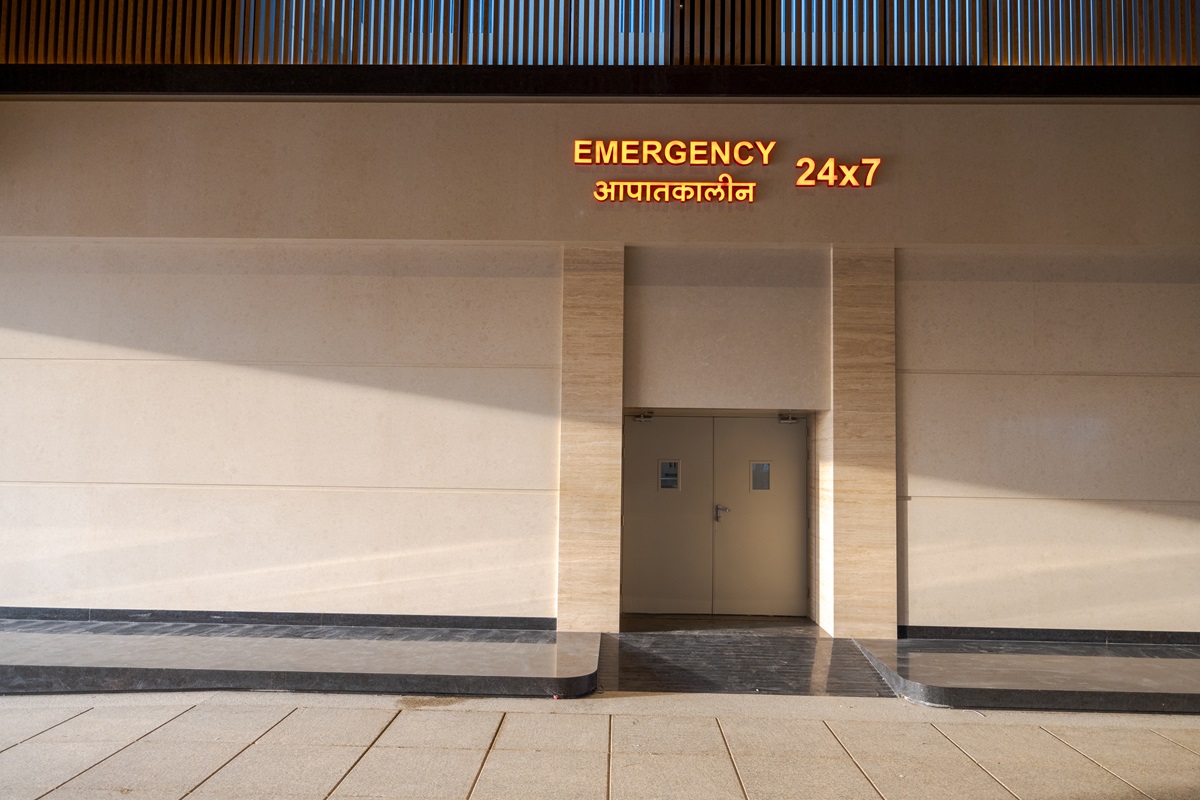
24×7 Emergency and Trauma Care
Medical emergencies can occur at any time, making emergency services one of the most important features of a hospital.
The Best Multispeciality Hospital in Jaipur should offer:
- Round-the-clock emergency care
- Fully equipped emergency department
- Critical care specialists
- Trauma management
- Cardiac emergency services
- Stroke management
- Emergency surgeries
- Ambulance support
Quick medical intervention significantly improves outcomes during life-threatening situations.
Advanced Diagnostic Services
Accurate diagnosis forms the foundation of effective treatment.
A modern hospital should have an in-house diagnostic department equipped with advanced technology to deliver reliable results quickly.
Common diagnostic services include:
- MRI
- CT Scan
- Digital X-ray
- Ultrasound
- Colour Doppler
- Mammography
- Bone Density Scan
- ECG
- Echocardiography
- Pulmonary Function Test
- Endoscopy
- Colonoscopy
Having these facilities available within the hospital reduces delays and improves patient convenience.
Modern Laboratory Services
Laboratory investigations help doctors diagnose illnesses, monitor treatment progress, and detect diseases at an early stage.
A comprehensive pathology department typically provides:
- Blood investigations
- Urine analysis
- Biochemistry
- Microbiology
- Histopathology
- Cytology
- Hormone testing
- Immunology
Reliable laboratory services play a vital role in delivering accurate medical care.
Advanced Surgical Care
Surgical expertise is a defining characteristic of a leading multispeciality hospital.
Patients should expect access to:
- General Surgery
- Laparoscopic Surgery
- Orthopaedic Surgery
- Neurosurgery
- Cardiac Surgery
- Urological Surgery
- Gastrointestinal Surgery
- Cancer Surgery
- Plastic & Reconstructive Surgery
Hospitals equipped with modular operation theatres and advanced anaesthesia systems provide safer surgical experiences and smoother recovery.
Cardiology Services
Heart disease remains one of the leading causes of hospitalization.
A comprehensive cardiology department should offer:
- Cardiology consultations
- ECG
- Echocardiography
- Stress testing
- Coronary angiography
- Angioplasty
- Cardiac ICU
- Preventive cardiac care
Early diagnosis and prompt treatment significantly reduce the risk of serious cardiac complications.
Neurology and Neurosurgery
Neurological disorders require specialized evaluation and advanced treatment.
Services may include:
- Stroke management
- Epilepsy treatment
- Headache clinics
- Parkinson's disease management
- Spine disorders
- Brain tumour treatment
- Neurosurgical procedures
Integrated neurological care improves patient outcomes and rehabilitation.
Orthopaedics and Joint Care
Bone and joint problems affect people of all ages.
Leading hospitals usually provide treatment for:
- Arthritis
- Sports injuries
- Fractures
- Joint replacement surgery
- Spine disorders
- Arthroscopy
- Physiotherapy
Comprehensive orthopaedic services help patients regain mobility and improve their quality of life.
Women's Healthcare Services
Women's healthcare extends far beyond pregnancy and childbirth.
A multispeciality hospital should provide:
- Routine gynaecological consultations
- High-risk pregnancy management
- Antenatal and postnatal care
- Fertility evaluation
- Menopause care
- Breast health services
- Minimally invasive gynaecological surgery
Comprehensive care ensures women receive appropriate support throughout different stages of life.
Paediatric Care
Children require specialized medical attention tailored to their developmental needs.
Essential paediatric services include:
- Newborn care
- Vaccination
- Growth monitoring
- Pediatric consultations
- Treatment of childhood illnesses
- Neonatal Intensive Care (NICU)
Dedicated paediatric specialists help ensure healthy growth and development.
Oncology Services
Cancer treatment often requires multiple specialists working together.
Comprehensive cancer care may include:
- Medical Oncology
- Surgical Oncology
- Radiation Oncology
- Chemotherapy
- Cancer diagnostics
- Supportive care
- Palliative care
An integrated approach improves treatment planning and patient support throughout the cancer journey.
Critical Care and Intensive Care Units (ICU)
Critically ill patients require continuous monitoring and specialized treatment.
A leading hospital should offer:
- Medical ICU
- Surgical ICU
- Cardiac ICU
- Neonatal ICU
- Ventilator support
- Advanced monitoring systems
Dedicated critical care teams play a crucial role in managing life-threatening conditions.
Preventive Healthcare Services
Modern hospitals emphasize disease prevention alongside treatment.
Preventive services often include:
- Executive health check-ups
- Diabetes screening
- Cardiac health packages
- Cancer screening
- Women's health check-ups
- Lifestyle counselling
- Vaccination programs
Regular screenings allow early detection and timely medical intervention.
Rehabilitation and Physiotherapy
Recovery doesn't end after surgery or hospitalization.
Rehabilitation services help patients regain strength, mobility, and independence.
Common services include:
- Physiotherapy
- Occupational therapy
- Post-operative rehabilitation
- Sports rehabilitation
- Neurological rehabilitation
- Pain management
A structured rehabilitation program supports faster recovery and improved quality of life.
Patient-Centered Support Services
Excellent healthcare extends beyond diagnosis and treatment.
Leading hospitals also provide:
- Patient counselling
- Nutritional guidance
- Pharmacy services
- Insurance assistance
- Health education
- Follow-up care
- Appointment scheduling support
These services enhance the overall patient experience and ensure continuity of care.
Why Comprehensive Services Matter
Many health conditions require collaboration between specialists.
A patient with diabetes and heart disease may need care from:
- Endocrinologists
- Cardiologists
- Nephrologists
- Ophthalmologists
- Dietitians
Similarly, a patient recovering from a stroke may require neurologists, rehabilitation specialists, physiotherapists, and speech therapists.
A multispeciality hospital enables these experts to work together, ensuring coordinated and efficient treatment.
Questions to Ask Before Choosing a Hospital
When evaluating hospitals, consider asking:
These questions can help you choose a hospital that meets your healthcare needs today and in the future.
Conclusion
Selecting the right hospital is an investment in your family's health and well-being. The Best Multispeciality Hospital in Jaipur is one that combines experienced specialists, comprehensive medical services, advanced technology, emergency preparedness, and compassionate patient care under one roof.
From routine consultations and preventive screenings to complex surgeries and critical care, a well-equipped multispeciality hospital ensures patients receive seamless, coordinated healthcare at every stage of life.
At Bombay Hospital Jaipur, patients have access to a wide range of medical specialties, advanced diagnostic and surgical facilities, emergency services, and dedicated healthcare professionals committed to delivering quality, patient-centered care. Whether it's preventive healthcare, specialized treatment, or emergency medical support, choosing a trusted multispeciality hospital provides confidence that you and your loved ones are in capable hands.
Book an Appointment