
 Cardiology
 Cardiovascular Thoracic Surgery
 Endocrinology
 Neurology
 Neuro Surgery
 Nephrology
 Urology
 Gastroenterology
 Pulmonology
  Plastic Surgery
 Nuclear Medicine
  Anesthesiology
  Transfusion Medicine
  Medical Oncology
  Surgical Oncology
  Radiation Oncology
  Critical Care Medicine
  ENT
ENT General Medicine
 General Surgery
 Gynaecology & Obstetrics
 Ophthalmology
 Orthopaedics
 Paediatrics and Neonatology
  Spine Surgery
 Cathlab
 MRI
(3.0 Tesla)
MRI
(3.0 Tesla) CT
Scan (128 Slice)
CT
Scan (128 Slice) 2D Echo
 TMT
TMT PFT
PFT EEG
EEG EMG
& NCS
EMG
& NCS Audiometry
 Flexible Laryngoscopy
 Endoscopy
& Colonoscopy
Endoscopy
& Colonoscopy Bronchoscopy
 Allergy Testing (Skin Prick Test-SPT)
 Microbiology
 Pathology
 Radio-diagnosis
 Radiation Therapy
 Physiotherapy
 Radiology
 Pharmacy
 AKU
Dialysis
AKU
Dialysis  Emergency Service
 Executive
Health Checkup
Executive
Health Checkup
When faced with a medical condition, one of the most important decisions you'll make is choosing where to receive treatment. While the expertise of a doctor is crucial, the hospital where that care is delivered also plays a significant role in determining treatment success. From timely diagnosis and access to advanced technology to coordinated care across multiple specialties, the right healthcare environment can positively influence every stage of a patient's recovery.
A well-equipped Multispeciality Hospital in Jaipur offers more than convenience—it brings together experienced specialists, modern medical infrastructure, and comprehensive support services to ensure patients receive the right care at the right time. Hospitals that provide integrated healthcare across various specialties help improve clinical outcomes by enabling faster diagnosis, seamless communication among specialists, and personalized treatment plans.
In this article, we'll explore how choosing the right multispeciality hospital can make a meaningful difference in your treatment journey.
Understanding Treatment Outcomes
Treatment outcomes refer to the results of medical care and include factors such as:
- Accurate diagnosis
- Successful treatment or surgery
- Faster recovery
- Reduced complications
- Better quality of life
- Lower chances of hospital readmission
- Improved long-term health
While every patient's condition is unique, the hospital's infrastructure, medical expertise, and quality of care significantly influence these outcomes.
Access to Multiple Specialists Under One Roof
Many medical conditions require the expertise of more than one specialist.
For example:
• A patient with diabetes may need consultations with an endocrinologist, nephrologist, cardiologist, and ophthalmologist.
• Someone diagnosed with cancer may require medical oncologists, surgeons, radiologists, pathologists, and rehabilitation specialists.
In a multispeciality hospital, these experts work together to develop a coordinated treatment plan. Instead of visiting different clinics, patients receive integrated care in one location, reducing delays and improving communication between healthcare providers.
Faster and More Accurate Diagnosis
Early diagnosis often leads to better treatment outcomes.
Leading multispeciality hospitals are equipped with advanced diagnostic facilities such as:
- MRI
- CT Scan
- Digital X-rays
- Ultrasound
- Advanced pathology laboratories
- Endoscopy
- Cardiac diagnostic services
Having these services available within the hospital allows doctors to confirm diagnoses quickly and begin treatment without unnecessary delays. Bombay Hospital Jaipur, for example, offers comprehensive diagnostic and therapeutic services alongside multiple clinical specialties.
Better Coordination Between Departments
Healthcare today is increasingly collaborative.
Patients with complex conditions often require input from multiple departments.
For instance, a patient recovering from a stroke may receive care from:
- Emergency physicians
- Neurologists
- Critical care specialists
- Physiotherapists
- Speech therapists
- Rehabilitation experts
When all these departments function within the same hospital, communication becomes more efficient, leading to well-coordinated treatment and smoother recovery.
Immediate Access to Emergency Care
In emergencies such as heart attacks, strokes, severe injuries, or accidents, every minute matters.
Hospitals with dedicated emergency departments provide:
- 24×7 emergency services
- Critical care units
- Trauma management
- Emergency surgery
- Ambulance support
Rapid assessment and timely treatment can significantly improve survival rates and reduce long-term complications.
Advanced Surgical Facilities
The quality of surgical infrastructure directly affects patient safety and recovery.
A modern multispeciality hospital typically offers:
- Modular operation theatres
- Advanced anaesthesia services
- Minimally invasive surgical techniques
- Dedicated recovery rooms
- Intensive post-operative care
These facilities help reduce surgical risks, minimize hospital stays, and support quicker recovery.
Experienced Medical Teams
Successful treatment depends on more than one doctor.
Hospitals that maintain experienced multidisciplinary teams can provide comprehensive care for patients with complex medical conditions.
These teams may include:
- Physicians
- Surgeons
- Anaesthesiologists
- Radiologists
- Pathologists
- Nurses
- Physiotherapists
- Dietitians
By working together, they ensure that every aspect of a patient's health is carefully managed.
Continuous Monitoring During Treatment
Hospitalized patients often require ongoing observation to detect changes in their condition.
Advanced monitoring systems in intensive care units and inpatient wards enable healthcare teams to:
- Track vital signs
- Monitor medication response
- Identify complications early
- Adjust treatment promptly
Early intervention can prevent serious complications and improve recovery.
Reduced Risk of Medical Errors
Integrated healthcare systems improve communication among doctors, nurses, laboratories, and diagnostic departments.
When patient records, investigations, and treatment plans are easily accessible within the same hospital, the likelihood of:
- Duplicate investigations
- Medication errors
- Delayed treatment
- Miscommunication
is significantly reduced.
Well-established clinical protocols further enhance patient safety.
Comprehensive Rehabilitation Services
Recovery doesn't always end after surgery or hospital discharge.
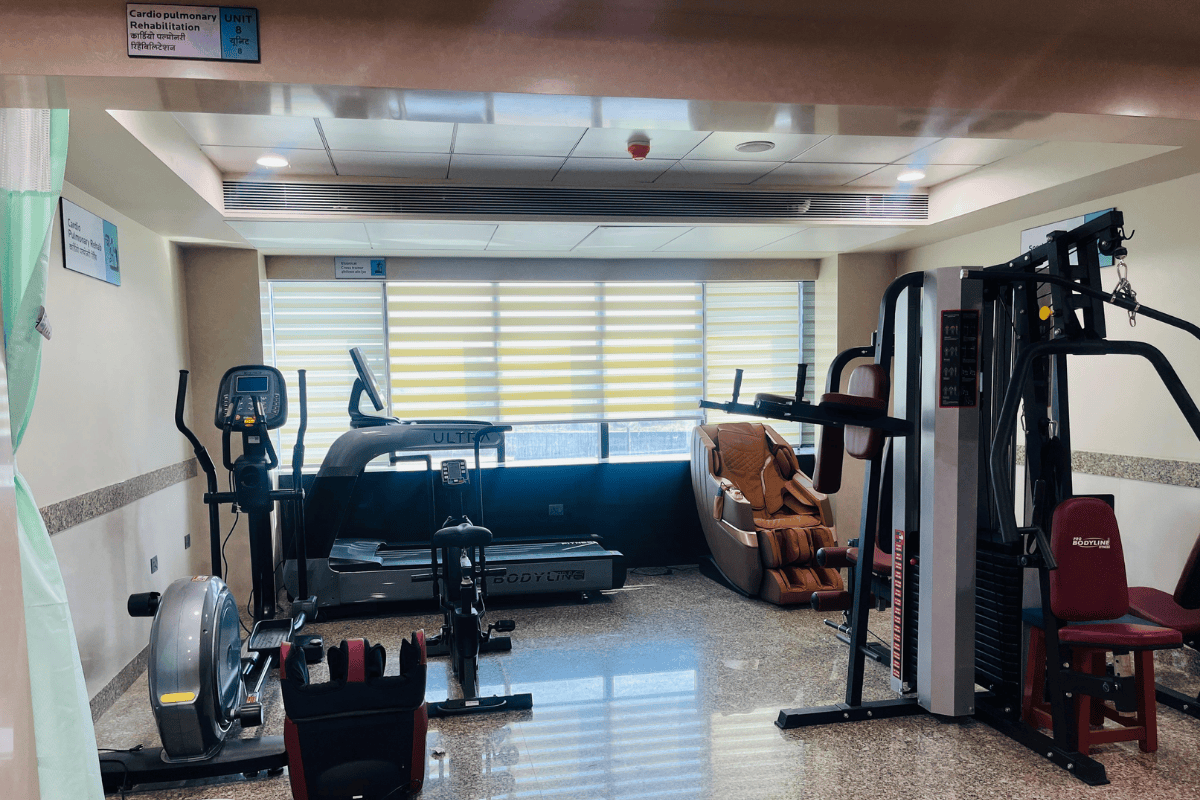
Many patients benefit from rehabilitation programs such as:
- Physiotherapy
- Occupational therapy
- Speech therapy
- Pain management
- Cardiac rehabilitation
- Neurological rehabilitation
Access to rehabilitation services within the same hospital supports a smoother transition from treatment to recovery.
Better Management of Chronic Diseases
Chronic conditions require regular follow-up and coordinated care.
Patients living with:
- Diabetes
- Hypertension
- Kidney disease
- Heart disease
- Arthritis
- Respiratory illnesses
often need ongoing support from multiple specialists.
A multispeciality hospital ensures continuity of care, helping patients manage their condition effectively while reducing the risk of complications.
Preventive Healthcare Improves Long-Term Outcomes
The best hospitals focus not only on treating illness but also on preventing disease.
Preventive services commonly include:
- Executive health check-ups
- Diabetes screening
- Cardiac evaluations
- Cancer screening
- Vaccination programs
- Lifestyle counselling
Early detection allows many conditions to be treated before they become more serious.
Patient-Centered Care Enhances Recovery
Medical treatment is most effective when patients feel informed, supported, and involved in their care.
Hospitals that prioritize patient-centered care typically offer:
- Clear communication
- Shared decision-making
- Nutritional counselling
- Emotional support
- Family education
- Personalized discharge planning
Patients who understand their treatment plans are often more likely to follow medical advice and attend follow-up appointments, contributing to improved recovery.
Infection Prevention and Patient Safety
Hospital-acquired infections can delay recovery and increase treatment costs.
Leading hospitals maintain strict protocols for:
- Sterilization
- Hand hygiene
- Infection surveillance
- Surgical safety
- Medication management
- Patient identification
Strong infection control measures contribute to safer healthcare and better treatment outcomes.
Access to Advanced Medical Technology
Technology continues to transform modern medicine.
Advanced hospitals invest in equipment that supports:
- Precision diagnosis
- Image-guided procedures
- Minimally invasive surgeries
- Advanced intensive care monitoring
- High-quality imaging
These technologies allow doctors to diagnose diseases earlier, perform procedures more accurately, and improve patient recovery.
Seamless Continuity of Care
Good healthcare extends beyond hospitalization.
A quality multispeciality hospital provides ongoing support through:
- Follow-up consultations
- Rehabilitation services
- Medication guidance
- Preventive health advice
- Long-term disease management
This continuity helps patients maintain their health even after treatment has been completed.
Imagine a patient admitted with chest pain.
Within a multispeciality hospital, the patient may quickly receive:
- Emergency evaluation
- Cardiology consultation
- ECG and advanced imaging
- Blood investigations
- Coronary intervention if required
- Intensive care monitoring
- Nutritional counselling
- Cardiac rehabilitation
Because these services are available within one hospital, treatment begins promptly, reducing delays and improving outcomes.
What Should You Look for When Choosing a Multispeciality Hospital?
Before selecting a hospital, consider the following:
- Availability of multiple specialties
- Experienced consultants
- Advanced diagnostic facilities
- Modern operation theatres
- 24×7 emergency services
- Intensive care units
- Rehabilitation services
- Preventive healthcare programs
- Patient safety standards
- Compassionate nursing and support staff
These factors collectively contribute to better clinical outcomes and an improved patient experience.
Conclusion
The hospital you choose can have a significant impact on your treatment journey. From accurate diagnosis and advanced technology to coordinated care and comprehensive rehabilitation, every aspect of a multispeciality hospital contributes to improved patient outcomes.
Choosing a trusted Multispeciality Hospital in Jaipur means gaining access to experienced specialists, modern medical infrastructure, emergency care, advanced diagnostics, and integrated treatment—all working together to provide safe, effective, and patient-centered healthcare.
Bombay Hospital Jaipur combines a legacy of quality healthcare with comprehensive specialties, advanced diagnostic and therapeutic services, modern critical care, and experienced medical professionals, ensuring patients receive coordinated care tailored to their individual needs.
Book an Appointment