 Cardiology
 Cardiovascular Thoracic Surgery
 Endocrinology
 Neurology
 Neuro Surgery
 Nephrology
 Urology
 Gastroenterology
 Pulmonology
  Plastic Surgery
 Nuclear Medicine
  Anesthesiology
  Transfusion Medicine
  Medical Oncology
  Surgical Oncology
  Radiation Oncology
  Critical Care Medicine
  ENT
ENT General Medicine
 General Surgery
 Gynaecology & Obstetrics
 Ophthalmology
 Orthopaedics
 Paediatrics and Neonatology
  Spine Surgery
 Cathlab
 MRI
(3.0 Tesla)
MRI
(3.0 Tesla) CT
Scan (128 Slice)
CT
Scan (128 Slice) 2D Echo
 TMT
TMT PFT
PFT EEG
EEG EMG
& NCS
EMG
& NCS Audiometry
 Flexible Laryngoscopy
 Endoscopy
& Colonoscopy
Endoscopy
& Colonoscopy Bronchoscopy
 Allergy Testing (Skin Prick Test-SPT)
 Microbiology
 Pathology
 Radio-diagnosis
 Radiation Therapy
 Physiotherapy
 Radiology
 Pharmacy
 AKU
Dialysis
AKU
Dialysis  Emergency Service
 Executive
Health Checkup
Executive
Health CheckupDr. Dhiraj Agarwal
MBBS, MS
General Surgeon


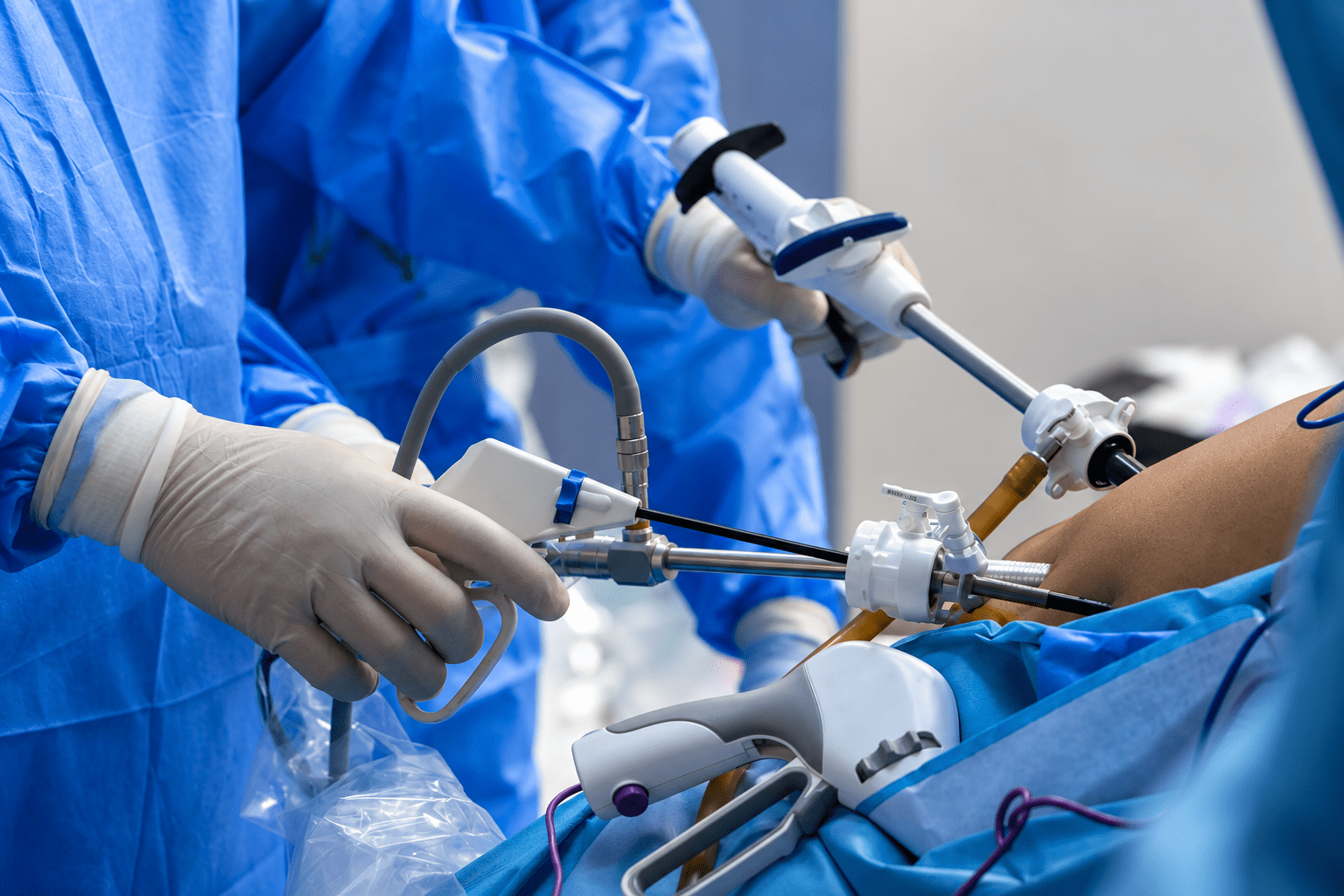
Gallbladder problems, particularly gallstones, can cause recurring abdominal pain, indigestion, nausea and discomfort after meals. When gallstones cause repeated symptoms or complications, surgery to remove the gallbladder may be recommended.
Laparoscopic gallbladder surgery, also called laparoscopic cholecystectomy, is a minimally invasive procedure used to remove the gallbladder through small abdominal incisions.
At Bombay Hospital Jaipur, the Department of Laparoscopic General and GI Surgery provides surgical treatment for conditions affecting the gallbladder and uses minimally invasive techniques where appropriate. The department is supported by advanced operating theatres, laparoscopic technology, diagnostic facilities and postoperative care.
The gallbladder is a small, pear-shaped organ located beneath the liver. It stores bile, a digestive fluid produced by the liver, and releases it into the small intestine to help digest fats.
Gallstones can form when substances in bile become imbalanced and crystallise. Some gallstones cause no symptoms, while others can block the normal flow of bile and lead to pain or inflammation.
Gallstones are hardened deposits that develop inside the gallbladder. They may vary in size and number.
Common symptoms of symptomatic gallstones include:
Fever, persistent severe pain, jaundice or repeated vomiting may indicate a complication and require prompt medical evaluation.
Not everyone with gallstones needs surgery. If gallstones are not causing symptoms, your doctor may recommend observation.
Surgery may be considered when gallstones cause:
The recommended treatment depends on your symptoms, investigations and overall health.
Laparoscopic cholecystectomy involves removing the gallbladder through several small abdominal incisions.
A laparoscope with a camera provides a magnified view of the surgical area, while specialised instruments are used to carefully separate and remove the gallbladder.
Compared with traditional open surgery, minimally invasive gallbladder surgery may offer:
Bombay Hospital Jaipur's General Surgery department highlights minimally invasive laparoscopic procedures and their benefits, including less scarring, quicker recovery and shorter hospital stays.
Before Surgery
The surgeon reviews your symptoms, medical history and diagnostic reports. Tests such as ultrasound and blood investigations may be recommended depending on your condition.
During Surgery
The procedure is performed under appropriate anaesthesia. Small incisions are made in the abdomen to introduce the laparoscope and surgical instruments.
The surgeon identifies the gallbladder, carefully separates it from surrounding structures and removes it.
In some complicated cases, an open surgical approach may be required or the laparoscopic procedure may need to be converted to open surgery for safety.
After Surgery
You are monitored during recovery and receive appropriate pain management and postoperative instructions. Your discharge and follow-up plan depend on your recovery and individual medical condition.
Recovery varies between patients. After surgery, you may be advised to:
Most patients can gradually return to their normal routine as healing progresses. Your surgeon will provide specific guidance regarding work, exercise and lifting.
Bombay Hospital Jaipur's Department of Laparoscopic General and GI Surgery is supported by:
The department has a multidisciplinary team comprising surgeons, gastroenterologists, anaesthetists and nursing professionals, with expertise in laparoscopic and endoscopic procedures.
Choosing the right hospital for gallbladder surgery means considering surgical expertise, diagnostic support, anaesthesia services and postoperative care.
Bombay Hospital Jaipur provides:
This integrated approach allows patients to receive diagnosis, surgical treatment and postoperative care within a tertiary-care hospital environment.
Consult a doctor if you experience:
Seek prompt medical attention if abdominal pain is severe or persistent, particularly when accompanied by fever, jaundice, repeated vomiting or significant tenderness.
Laparoscopic cholecystectomy is a commonly performed procedure, but like any surgery, it carries potential risks. Your surgeon will discuss the benefits and risks based on your individual condition.
Asymptomatic gallstones may not require treatment. When gallstones repeatedly cause symptoms or complications, gallbladder removal may be recommended.
Yes. The liver continues to produce bile after gallbladder removal. Bile flows directly into the intestine rather than being stored in the gallbladder.
The duration depends on the complexity of the case and the patient's anatomy. Your surgeon can provide an estimated procedure time during consultation.
Recovery varies depending on the individual and whether the surgery was uncomplicated. Your surgeon will advise when you can return to work, exercise and other activities.
Recurring gallbladder pain should not be ignored, especially when it affects your meals, sleep or daily activities. Early evaluation can determine whether observation, medical management or surgery is appropriate.
Consult the General Surgery team at Bombay Hospital Jaipur for personalised evaluation and laparoscopic gallbladder treatment.
Book an Appointment | Consult a Gallbladder Surgeon in Jaipur
MBBS, MS
General Surgeon
 Book an Appointment