 Cardiology
 Cardiovascular Thoracic Surgery
 Endocrinology
 Neurology
 Neuro Surgery
 Nephrology
 Urology
 Gastroenterology
 Pulmonology
  Plastic Surgery
 Nuclear Medicine
  Anesthesiology
  Transfusion Medicine
  Medical Oncology
  Surgical Oncology
  Radiation Oncology
  Critical Care Medicine
  ENT
ENT General Medicine
 General Surgery
 Gynaecology & Obstetrics
 Ophthalmology
 Orthopaedics
 Paediatrics and Neonatology
  Spine Surgery
 Cathlab
 MRI
(3.0 Tesla)
MRI
(3.0 Tesla) CT
Scan (128 Slice)
CT
Scan (128 Slice) 2D Echo
 TMT
TMT PFT
PFT EEG
EEG EMG
& NCS
EMG
& NCS Audiometry
 Flexible Laryngoscopy
 Endoscopy
& Colonoscopy
Endoscopy
& Colonoscopy Bronchoscopy
 Allergy Testing (Skin Prick Test-SPT)
 Microbiology
 Pathology
 Radio-diagnosis
 Radiation Therapy
 Physiotherapy
 Radiology
 Pharmacy
 AKU
Dialysis
AKU
Dialysis  Emergency Service
 Executive
Health Checkup
Executive
Health CheckupDr. Ankita Jain
MBBS, MS
MCh (Plastic Surgery)
Plastic & Reconstructive Surgeon


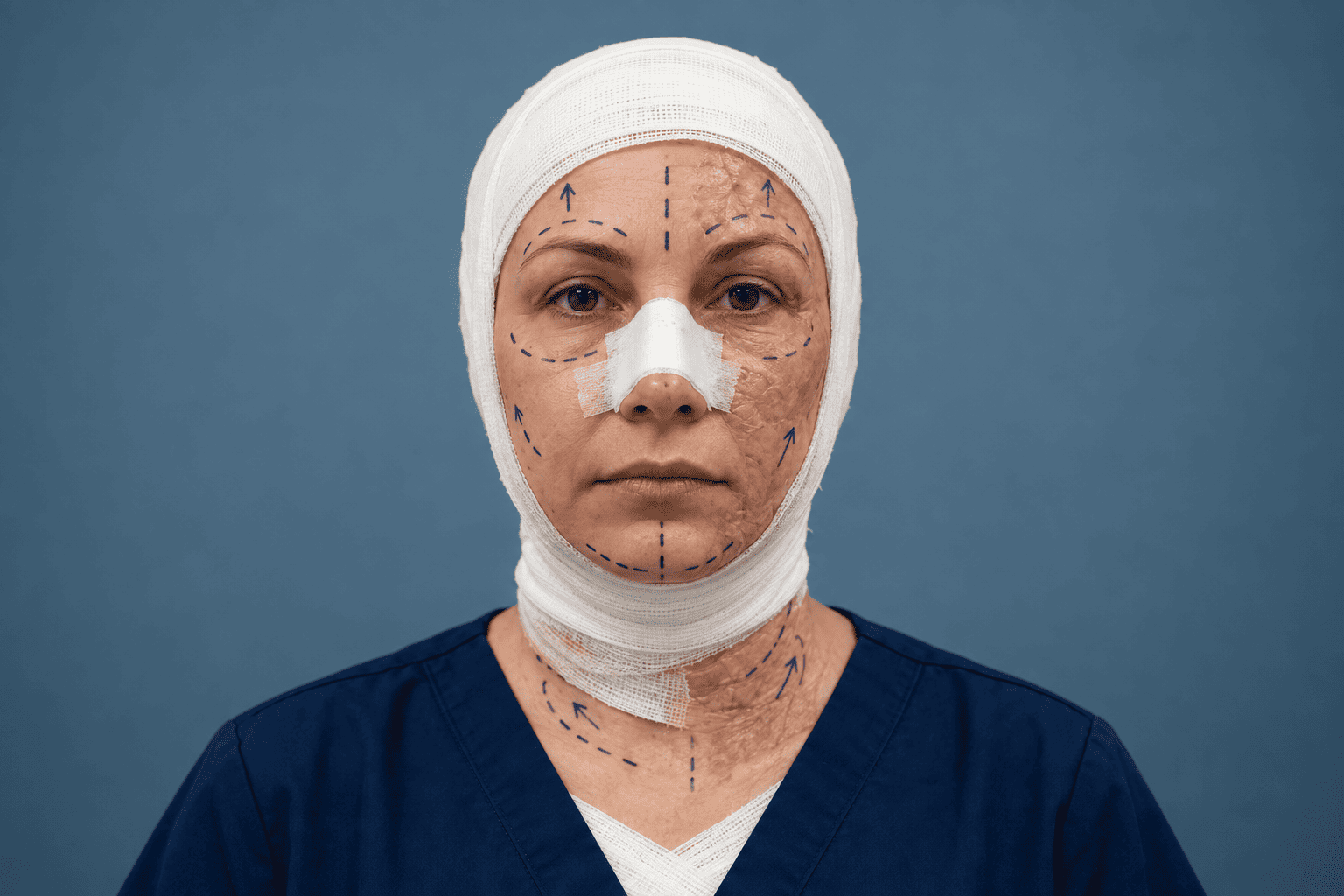
Burn injuries can affect much more than the skin. As burns heal, they may leave behind scars, tight skin, contractures or deformities that can restrict movement and affect appearance. In some cases, these changes may develop months or even years after the original burn.
Burn reconstruction surgery aims to improve the function and appearance of areas affected by burn injuries. Depending on the location, severity and extent of scarring, treatment may involve scar revision, contracture release, skin grafting or other reconstructive techniques.
At Bombay Hospital Jaipur, the Department of Plastic, Aesthetic and Reconstructive Surgery provides acute burn management and burn deformity correction for post-burn contractures, as part of its reconstructive plastic surgery services.
Burn reconstruction is a specialised form of plastic and reconstructive surgery performed to address the long-term effects of burn injuries.
A healed burn may leave the skin tight, thickened or uneven. When scar tissue forms across a joint or around areas such as the neck, mouth, eyelids or hands, it can interfere with normal movement or function.
Reconstruction focuses on addressing these problems while considering the patient's overall appearance and functional needs.
Burn scars can appear raised, thick, discoloured or uneven. Their appearance depends on the depth and location of the original injury and how the wound healed.
A contracture develops when scar tissue tightens and restricts movement.
For example, a contracture around the:
Contractures can significantly affect everyday activities and may require reconstructive treatment.
Burn reconstruction may be considered when a healed burn results in:
The timing of reconstruction depends on the individual's healing, scar maturity, functional limitations and overall health.
A plastic surgeon evaluates the affected area before recommending treatment.
The appropriate procedure depends on the location and characteristics of the scar or contracture.
Contracture release aims to loosen tight scar tissue and restore movement. This can be particularly important when a scar crosses a joint or affects facial function.
Scar revision may be considered when a scar is particularly prominent, restrictive or cosmetically concerning. The aim is generally to improve the scar rather than completely eliminate it.
In selected cases, a skin graft may be used after releasing a contracture or removing damaged scar tissue. Skin is taken from another area of the body and placed over the treated area.
More complex burn deformities may require reconstructive techniques to restore soft-tissue coverage and improve function.
The surgeon selects the technique based on the patient's specific anatomy and reconstructive requirements.
A detailed consultation is essential before surgery.
The plastic surgeon may assess:
For complex cases, treatment may involve staged procedures rather than a single operation.
While the exact procedure varies, the treatment journey generally includes:
The duration of surgery and hospital stay depends on the extent and complexity of reconstruction.
Recovery depends on the procedure performed and the area treated.
Patients may need:
For contractures affecting joints, rehabilitation can be particularly important. Maintaining the improvement in movement may require exercises and other therapy as recommended by the treating team.
Burn reconstruction is not only about improving appearance. Restoring function is often an important goal.
Depending on the affected area, reconstruction may help improve:
Aesthetic improvement may also be an important part of the patient's overall treatment goals.
Realistic expectations are discussed during consultation because reconstructed skin may still differ from normal skin in colour, texture or appearance.
Bombay Hospital Jaipur's Department of Plastic, Aesthetic and Reconstructive Surgery provides care across burns, trauma, reconstructive microsurgery, cancer reconstruction, congenital deformities and aesthetic surgery.
The department specifically offers burn deformity correction for post-burn contractures, supported by specialised plastic and reconstructive surgical expertise.
As a tertiary-care hospital, Bombay Hospital Jaipur also provides access to multiple medical and surgical specialties when patients require coordinated care.
Consider a consultation if an old burn scar:
You do not necessarily need to wait for a scar to become severely restrictive before seeking an evaluation.
Yes. Depending on the type and severity of the scar, reconstructive procedures may help improve movement, function and appearance.
A burn contracture occurs when scar tissue tightens and restricts movement. It commonly develops when a burn scar crosses a joint or affects areas requiring regular movement.
Usually, reconstruction cannot completely erase a burn scar. The goal is to improve the scar's appearance and, importantly, restore or improve function when movement is restricted.
Not always. Complex burn deformities may require staged reconstruction depending on the extent of scarring and the area involved.
Rehabilitation may be an important part of recovery, particularly when the contracture has affected a joint. Exercises and therapy can help maintain the movement achieved through reconstruction.
Selected facial burn scars and contractures can be treated with reconstructive procedures. The appropriate technique depends on the location, depth and effect of the scar on facial function.
Burn scars and contractures can continue to affect movement, comfort and confidence long after the original injury has healed. A specialist assessment can determine whether reconstructive treatment may help.
Consult the Plastic, Aesthetic and Reconstructive Surgery team at Bombay Hospital Jaipur for personalised evaluation and burn reconstruction planning.

MBBS, MS
MCh (Plastic Surgery)
Plastic & Reconstructive Surgeon
 Book an Appointment