 Cardiology
 Cardiovascular Thoracic Surgery
 Endocrinology
 Neurology
 Neuro Surgery
 Nephrology
 Urology
 Gastroenterology
 Pulmonology
  Plastic Surgery
 Nuclear Medicine
  Anesthesiology
  Transfusion Medicine
  Medical Oncology
  Surgical Oncology
  Radiation Oncology
  Critical Care Medicine
  ENT
ENT General Medicine
 General Surgery
 Gynaecology & Obstetrics
 Ophthalmology
 Orthopaedics
 Paediatrics and Neonatology
  Spine Surgery
 Cathlab
 MRI
(3.0 Tesla)
MRI
(3.0 Tesla) CT
Scan (128 Slice)
CT
Scan (128 Slice) 2D Echo
 TMT
TMT PFT
PFT EEG
EEG EMG
& NCS
EMG
& NCS Audiometry
 Flexible Laryngoscopy
 Endoscopy
& Colonoscopy
Endoscopy
& Colonoscopy Bronchoscopy
 Allergy Testing (Skin Prick Test-SPT)
 Microbiology
 Pathology
 Radio-diagnosis
 Radiation Therapy
 Physiotherapy
 Radiology
 Pharmacy
 AKU
Dialysis
AKU
Dialysis  Emergency Service
 Executive
Health Checkup
Executive
Health CheckupDr. Vikas Purohit
MBBS, MD
DM (Cardiology)
Cardiologist


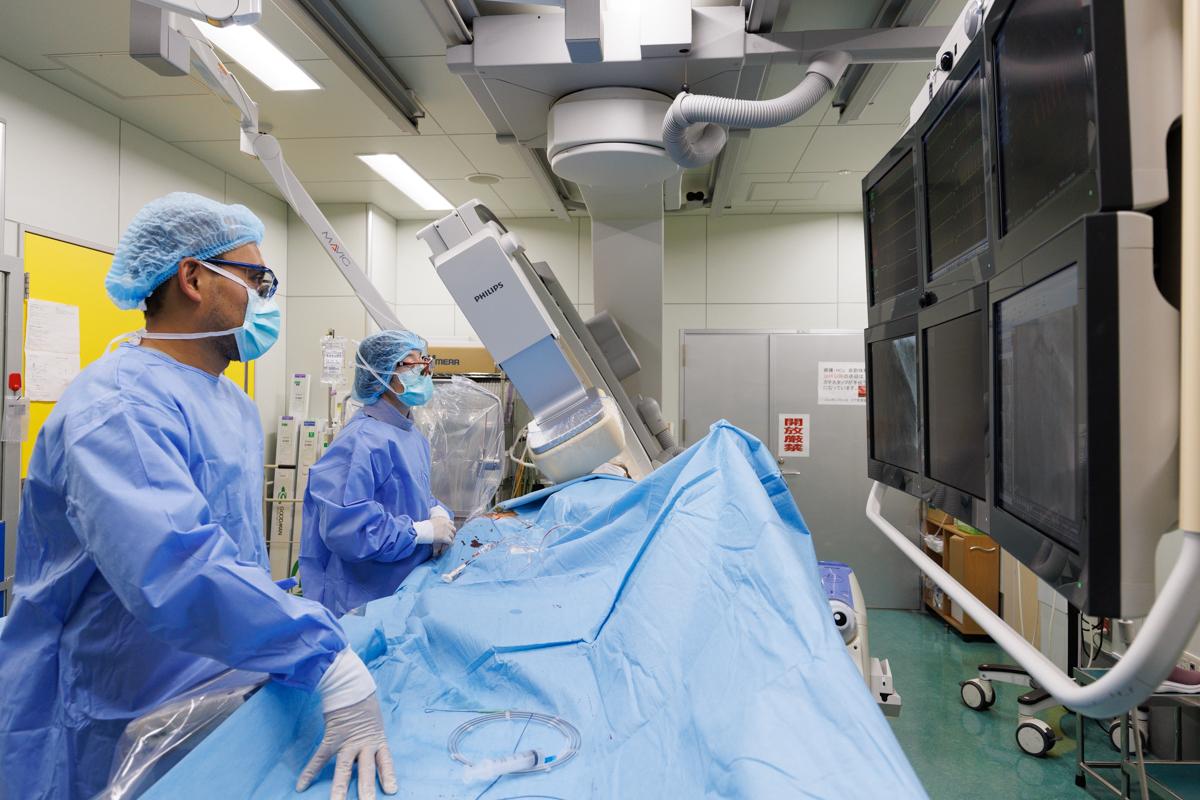
A healthy heart beats in a regular rhythm, ensuring that oxygen-rich blood is pumped efficiently throughout the body. When the heart's electrical system slows down or becomes irregular, it can lead to symptoms such as dizziness, fatigue, fainting, and breathlessness. In many cases, a pacemaker implantation can help restore a normal heart rhythm and improve overall quality of life.
At Bombay Hospital Jaipur, we provide advanced Pacemaker Implantation in Jaipur for patients with slow heart rhythms (bradycardia), heart block, and other cardiac conduction disorders. Our experienced interventional cardiologists, modern cardiac infrastructure, and dedicated Cardiac Intensive Care Unit (CICU) ensure comprehensive care from diagnosis to long-term follow-up.
Whether you have recently been diagnosed with a heart rhythm disorder or have been advised to undergo pacemaker implantation, our multidisciplinary cardiac team is committed to providing safe, personalised, and evidence-based treatment.
Book a consultation with our cardiac specialists today.
A pacemaker is a small implantable medical device that helps regulate the heartbeat when the heart's natural electrical system is unable to maintain a normal rhythm.
The device consists of:
The pacemaker continuously monitors the heart's rhythm. If the heart beats too slowly or misses a beat, the device sends gentle electrical impulses to restore a normal heart rate.
Pacemakers are commonly recommended for patients with bradycardia, heart block, and certain other rhythm disorders that affect the heart's ability to pump blood effectively.
The heart has its own electrical conduction system that coordinates each heartbeat. When this system is disrupted, the heart may beat too slowly, too quickly, or irregularly.
Certain rhythm disorders can reduce blood flow to the brain and other organs, leading to symptoms that interfere with daily life.
Conditions that may require pacemaker implantation include:
Early diagnosis and timely treatment help reduce symptoms and improve long-term heart function.
Symptoms vary depending on the severity of the rhythm disorder.
Common symptoms include:
If these symptoms occur repeatedly, prompt evaluation by a cardiologist is recommended.
Pacemaker implantation may be recommended for patients who have:
The decision to implant a pacemaker is based on clinical evaluation, ECG findings, Holter monitoring, imaging studies, and the patient's symptoms.
The type of pacemaker recommended depends on the patient's heart condition and rhythm abnormality.
Single-Chamber Pacemaker
Uses one lead placed in either the right atrium or right ventricle and is suitable for selected rhythm disorders.
Dual-Chamber Pacemaker
Uses two leads to coordinate electrical activity between the right atrium and right ventricle, helping maintain a more natural heart rhythm.
Biventricular Pacemaker (Cardiac Resynchronisation Therapy – CRT)
Designed for selected patients with heart failure and electrical conduction abnormalities, helping improve coordination between both ventricles.
Leadless Pacemaker
A miniature pacemaker implanted directly into the heart without traditional leads. Availability depends on patient suitability and hospital facilities.
Pacemaker implantation offers significant benefits for appropriately selected patients.
Benefits include:
Step 1 – Comprehensive Evaluation
Before the procedure, your cardiologist evaluates your symptoms and performs diagnostic investigations, including:
Step 2 – Procedure Preparation
Pacemaker implantation is generally performed under local anaesthesia with mild sedation.
Step 3 – Lead Placement
A small incision is made below the collarbone. The leads are guided through a vein into the heart using real-time X-ray imaging.
Step 4 – Device Implantation
The pulse generator is connected to the leads and placed beneath the skin in the upper chest.
Step 5 – Device Testing
The pacemaker is tested to ensure proper function before the incision is closed.
Step 6 – Recovery
Patients are monitored for a short period before discharge, depending on their overall condition.
At Bombay Hospital Jaipur, pacemaker implantation is supported by advanced diagnostic and interventional cardiac technology.
Our cardiac infrastructure includes:
This comprehensive infrastructure supports accurate diagnosis, safe implantation, and long-term device management.
Recovery is generally quick, although it varies depending on the patient's overall health and associated medical conditions.
Typical Recovery Timeline
Day 1
Day 2
First Two Weeks
Within Four to Six Weeks
Pacemaker care extends beyond the implantation procedure. Regular follow-up appointments are essential to ensure your device continues to function properly and meets your heart's changing needs.
At Bombay Hospital Jaipur, patients receive comprehensive post-implantation care through regular pacemaker evaluations and device programming by experienced cardiac specialists.
Our follow-up services include:
Regular device checks help identify potential issues early, optimise pacemaker performance, and support long-term heart health, allowing patients to continue their daily activities with confidence.
Most patients return to an active and fulfilling lifestyle after pacemaker implantation.
Your cardiologist may advise:
Regular pacemaker evaluations help ensure that the device continues to function effectively.
Pacemaker implantation is a commonly performed procedure, but as with any medical intervention, certain risks may occur.
Potential risks include:
Our experienced cardiac specialists follow established safety protocols to minimise these risks.
Bombay Hospital Jaipur provides comprehensive cardiac rhythm management supported by experienced specialists and advanced technology.
Why patients trust us:
From diagnosis to lifelong follow-up, we are committed to providing safe and compassionate cardiac care.
Successful pacemaker implantation requires collaboration between experienced specialists.
Our multidisciplinary Heart Team includes:
Together, they assess every patient's condition and recommend the most appropriate treatment based on clinical findings and individual health needs.
Your care typically follows these steps:
This coordinated approach ensures continuity of care and long-term support.
Seek medical evaluation if you experience:
Timely diagnosis can help prevent complications and improve quality of life.
A pacemaker is a small implantable device that helps regulate the heartbeat when the heart beats too slowly or irregularly.
Pacemaker implantation is generally considered a minimally invasive procedure performed under local anaesthesia with mild sedation.
The procedure usually takes between one and two hours, depending on the type of pacemaker and the patient's condition.
You may notice a small lump beneath the skin where the device is implanted, but most patients become accustomed to it over time.
Battery life varies depending on the device and usage but often ranges between 8 and 15 years. Your cardiologist will monitor battery status during routine follow-up visits.
Yes. Most people can safely use mobile phones by following the manufacturer's and cardiologist's recommendations regarding device positioning.
Yes. Most patients can travel safely after recovery. It is advisable to carry your pacemaker identification card during travel.
Some modern pacemakers are MRI-compatible. Your cardiologist will advise whether MRI is appropriate based on the type of device implanted.
Many patients return to work within a few weeks, depending on the nature of their job and their recovery.
Bombay Hospital Jaipur combines experienced cardiac specialists, advanced diagnostic facilities, modern implantation technology, dedicated CICU care, and comprehensive follow-up services to provide personalised treatment for patients with heart rhythm disorders.
If you have been experiencing symptoms such as dizziness, fainting, slow heartbeat, or unexplained fatigue, it is important not to ignore them. Early evaluation can help identify heart rhythm disorders and determine whether pacemaker implantation is the right treatment option.
At Bombay Hospital Jaipur, our experienced cardiac specialists provide comprehensive evaluation, advanced pacemaker implantation, and long-term follow-up care tailored to each patient's needs.
Schedule your consultation today and take the next step towards a healthier, more active life.

MBBS, MD
DM (Cardiology)
Cardiologist

MBBS, MD, DM (Cardiology)
MRCP (UK)
Cardiologist

MBBS
PGDCC
Non Invasive Cardiologist
 Book an Appointment