 Cardiology
 Cardiovascular Thoracic Surgery
 Endocrinology
 Neurology
 Neuro Surgery
 Nephrology
 Urology
 Gastroenterology
 Pulmonology
  Plastic Surgery
 Nuclear Medicine
  Anesthesiology
  Transfusion Medicine
  Medical Oncology
  Surgical Oncology
  Radiation Oncology
  Critical Care Medicine
  ENT
ENT General Medicine
 General Surgery
 Gynaecology & Obstetrics
 Ophthalmology
 Orthopaedics
 Paediatrics and Neonatology
  Spine Surgery
 Cathlab
 MRI
(3.0 Tesla)
MRI
(3.0 Tesla) CT
Scan (128 Slice)
CT
Scan (128 Slice) 2D Echo
 TMT
TMT PFT
PFT EEG
EEG EMG
& NCS
EMG
& NCS Audiometry
 Flexible Laryngoscopy
 Endoscopy
& Colonoscopy
Endoscopy
& Colonoscopy Bronchoscopy
 Allergy Testing (Skin Prick Test-SPT)
 Microbiology
 Pathology
 Radio-diagnosis
 Radiation Therapy
 Physiotherapy
 Radiology
 Pharmacy
 AKU
Dialysis
AKU
Dialysis  Emergency Service
 Executive
Health Checkup
Executive
Health CheckupDr. Vikas Purohit
MBBS, MD
DM (Cardiology)
Cardiologist


A heart attack is a life-threatening medical emergency that requires immediate treatment. Every minute counts, and restoring blood flow to the heart as quickly as possible can significantly reduce heart muscle damage and improve survival.
At Bombay Hospital Jaipur, we provide Primary Angioplasty (PAMI), also known as Primary Percutaneous Coronary Intervention (Primary PCI), for patients experiencing an acute heart attack. Our experienced interventional cardiologists, advanced Cardiac Cath Lab, and dedicated Cardiac Intensive Care Unit (CICU) work together to deliver rapid, evidence-based emergency cardiac care.
Available with comprehensive diagnostic facilities and modern cardiac technology, our emergency cardiac team is committed to providing timely treatment when every second matters.
If you or someone near you experiences symptoms of a heart attack, seek emergency medical care immediately.
Primary Angioplasty (PAMI), also called Primary Percutaneous Coronary Intervention (Primary PCI), is an emergency procedure performed to open a blocked coronary artery during an acute heart attack (ST-Elevation Myocardial Infarction or STEMI).
A heart attack usually occurs when a blood clot suddenly blocks one of the coronary arteries, stopping oxygen-rich blood from reaching a part of the heart muscle. Without prompt treatment, permanent damage to the heart can occur.
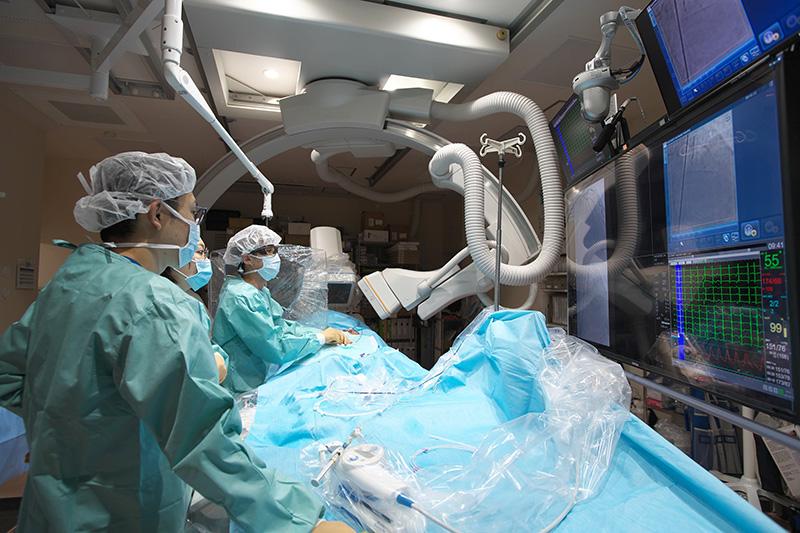
During PAMI, an interventional cardiologist inserts a thin catheter through an artery—usually in the wrist or groin—to reach the blocked coronary artery. A balloon is inflated to restore blood flow, and in most cases, a coronary stent is placed to keep the artery open.
Primary Angioplasty is recognised as one of the most effective treatments for eligible patients with acute STEMI when performed promptly by an experienced cardiac team.
A heart attack, or myocardial infarction, occurs when blood flow to the heart muscle is suddenly interrupted due to a blockage in one or more coronary arteries.
The longer the blockage remains untreated, the greater the damage to the heart muscle. Early recognition of symptoms and immediate medical attention are essential for improving survival and preserving heart function.
Common causes include:
Recognising the warning signs early can save lives.
Common symptoms include:
Some patients, especially women, older adults, and people with diabetes, may experience less typical symptoms such as fatigue, indigestion-like discomfort, or breathlessness.
Primary Angioplasty is typically recommended for patients who:
Timely intervention is crucial. Early restoration of blood flow helps preserve heart muscle and improves outcomes.
During a heart attack, heart muscle begins to suffer damage within minutes due to lack of oxygen.
The sooner the blocked artery is opened, the greater the chance of preserving heart function and reducing complications.
Prompt treatment can help:
This is why emergency evaluation should never be delayed when heart attack symptoms occur.
Primary Angioplasty offers several advantages over delayed treatment and is considered the preferred reperfusion strategy for many eligible STEMI patients.
Benefits include:
Step 1 – Emergency Assessment
Upon arrival, the emergency cardiac team performs:
Step 2 – Coronary Angiography
A catheter is introduced through an artery in the wrist or groin and guided to the coronary arteries. Contrast dye helps identify the blocked artery using real-time X-ray imaging.
Step 3 – Balloon Angioplasty
A tiny balloon is inflated at the site of the blockage to reopen the artery and restore blood flow.
Step 4 – Stent Placement
In most cases, a coronary stent is implanted to help keep the artery open and maintain blood flow.
Step 5 – Recovery and Monitoring
After the procedure, patients are monitored in the Cardiac Intensive Care Unit (CICU) before being transferred to the ward for continued care.
"Door-to-Balloon Time" refers to the time between a patient's arrival at the hospital and inflation of the balloon during Primary Angioplasty.
International treatment guidelines recommend minimising this interval because earlier restoration of blood flow is associated with better outcomes.
At Bombay Hospital Jaipur, emergency cardiac services are designed to facilitate rapid assessment, diagnosis, and treatment for eligible patients with acute heart attacks.
Successful emergency angioplasty depends on advanced imaging, precision-guided intervention, and specialised cardiac support.
Our cardiac care infrastructure includes:
This integrated technology supports rapid diagnosis, accurate treatment, and comprehensive post-procedure monitoring.
Recovery varies depending on the extent of heart damage, overall health, and associated medical conditions.
Typical Recovery Timeline
First 24 Hours
Day 2–3
Within One Week
Within a Few Weeks
Recovering from a heart attack involves more than just the procedure. Long-term heart health depends on lifestyle modifications and regular medical follow-up.
Patients are encouraged to:
These measures help reduce the risk of future cardiac events and support long-term cardiovascular health.
Like all medical procedures, Primary Angioplasty carries certain risks, although serious complications are relatively uncommon when performed by experienced specialists.
Potential risks include:
Our cardiac team carefully evaluates each patient and follows established protocols to minimise these risks.
Bombay Hospital Jaipur is equipped to provide comprehensive emergency cardiac care for patients with acute coronary syndromes.
Our strengths include:
From emergency diagnosis to recovery and follow-up, our team remains committed to delivering timely and compassionate cardiac care.
Do not ignore symptoms that may indicate a heart attack.
Seek immediate medical attention if you experience:
Early treatment can make a significant difference in preserving heart function and improving survival.
Primary Angioplasty is an emergency procedure performed to restore blood flow through a blocked coronary artery during an acute heart attack.
Yes. Primary Angioplasty (PAMI) and Primary Percutaneous Coronary Intervention (Primary PCI) refer to the same emergency treatment for eligible patients with acute STEMI.
The procedure should be performed as quickly as possible after diagnosis because early restoration of blood flow improves outcomes and reduces heart muscle damage.
In many cases, a coronary stent is implanted after balloon angioplasty to help keep the artery open. The decision depends on the patient's condition and angiographic findings.
The procedure itself usually takes between 30 minutes and 2 hours, depending on the complexity of the blockage and the patient's condition.
Hospital stay varies depending on recovery, heart function, and associated medical conditions. Many patients remain under observation for a few days before discharge.
Many patients can gradually resume normal activities after recovery, following their cardiologist's advice regarding medications, diet, exercise, and follow-up care.
Maintaining a healthy diet, quitting smoking, controlling diabetes and blood pressure, exercising regularly, and taking prescribed medications are important for long-term heart health.
Treatment depends on the type of heart attack, time since symptom onset, and the patient's overall condition. Your cardiologist will recommend the most appropriate treatment based on clinical evaluation.
Bombay Hospital Jaipur combines experienced interventional cardiologists, a 24×7 Cath Lab, advanced cardiac diagnostics, dedicated CICU, and comprehensive cardiac care to provide timely treatment for heart attack patients.
A heart attack requires immediate medical attention. If you or a loved one experiences symptoms such as severe chest pain, shortness of breath, or sudden sweating, do not delay seeking emergency care.
At Bombay Hospital Jaipur, our experienced emergency cardiac team is prepared to provide rapid assessment, advanced diagnostics, and timely Primary Angioplasty for eligible patients. With modern technology, evidence-based treatment protocols, and compassionate care, we are committed to helping patients receive the urgent treatment they need when every minute counts.
Contact our emergency cardiac services immediately if you suspect a heart attack.

MBBS, MD
DM (Cardiology)
Cardiologist

MBBS, MD, DM (Cardiology)
MRCP (UK)
Cardiologist

MBBS
PGDCC
Non Invasive Cardiologist
 Book an Appointment