 Cardiology
 Cardiovascular Thoracic Surgery
 Endocrinology
 Neurology
 Neuro Surgery
 Nephrology
 Urology
 Gastroenterology
 Pulmonology
  Plastic Surgery
 Nuclear Medicine
  Anesthesiology
  Transfusion Medicine
  Medical Oncology
  Surgical Oncology
  Radiation Oncology
  Critical Care Medicine
  ENT
ENT General Medicine
 General Surgery
 Gynaecology & Obstetrics
 Ophthalmology
 Orthopaedics
 Paediatrics and Neonatology
  Spine Surgery
 Cathlab
 MRI
(3.0 Tesla)
MRI
(3.0 Tesla) CT
Scan (128 Slice)
CT
Scan (128 Slice) 2D Echo
 TMT
TMT PFT
PFT EEG
EEG EMG
& NCS
EMG
& NCS Audiometry
 Flexible Laryngoscopy
 Endoscopy
& Colonoscopy
Endoscopy
& Colonoscopy Bronchoscopy
 Allergy Testing (Skin Prick Test-SPT)
 Microbiology
 Pathology
 Radio-diagnosis
 Radiation Therapy
 Physiotherapy
 Radiology
 Pharmacy
 AKU
Dialysis
AKU
Dialysis  Emergency Service
 Executive
Health Checkup
Executive
Health CheckupDr. Vikas Purohit
MBBS, MD
DM (Cardiology)
Cardiologist


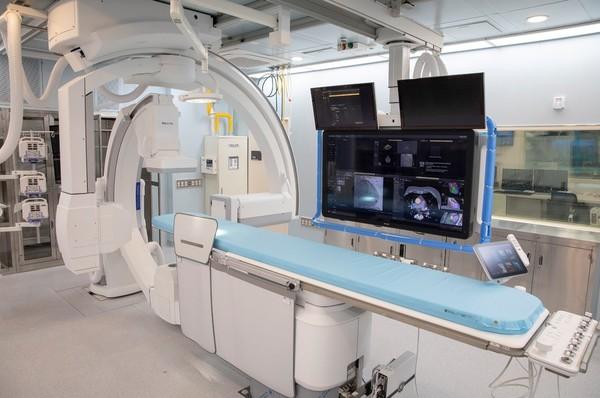
When severe aortic valve disease begins to affect your quality of life, advanced treatment can help restore heart function without the need for traditional open-heart surgery. At Bombay Hospital Jaipur, we offer TAVI (Transcatheter Aortic Valve Implantation), a minimally invasive procedure designed to replace a diseased aortic valve through a catheter rather than opening the chest.
TAVI has transformed the treatment of severe aortic stenosis, especially for elderly patients and those who may be at high or intermediate surgical risk. With experienced cardiologists, advanced cardiac imaging, a state-of-the-art Cath Lab, and comprehensive post-procedure care, Bombay Hospital Jaipur provides complete heart valve treatment under one roof.
Whether you have recently been diagnosed with aortic stenosis or are exploring alternatives to open-heart surgery, our cardiac specialists will carefully evaluate your condition and recommend the most appropriate treatment plan.
Book an appointment today to consult our experienced cardiac team.
If you or a loved one has been advised to undergo valve replacement surgery, seeking a second opinion can help you make an informed decision.
At Bombay Hospital Jaipur, our structural heart specialists provide comprehensive evaluations for:
Bring along your previous reports, echocardiograms, CT scans, angiography images, and medical records for a detailed review by our Heart Team.
TAVI (Transcatheter Aortic Valve Implantation) is a minimally invasive procedure used to replace a damaged or narrowed aortic valve without performing conventional open-heart surgery.
The aortic valve controls blood flow from the heart to the rest of the body. When this valve becomes severely narrowed due to calcium deposits or age-related degeneration, the heart has to work much harder to pump blood. This condition is known as aortic stenosis.
During TAVI, a replacement valve is delivered through a thin catheter, usually inserted through an artery in the groin. The new valve is carefully positioned inside the diseased valve, restoring normal blood flow and improving heart function.
The procedure is widely recognised as an effective treatment for eligible patients who require aortic valve replacement with shorter recovery and less surgical trauma.
Aortic stenosis occurs when the aortic valve becomes thickened, stiff, and narrowed, restricting blood flow from the heart.
As the condition progresses, the heart must pump harder, eventually leading to reduced cardiac function and serious complications if left untreated.
Common symptoms include:
Many patients may not notice symptoms in the early stages. However, once symptoms develop, timely evaluation by a cardiologist becomes extremely important.
TAVI is recommended after careful evaluation by a multidisciplinary heart team. It may be suitable for patients who have:
Not every patient with aortic valve disease requires TAVI. The decision depends on multiple factors, including age, overall health, valve anatomy, imaging findings, and individual treatment goals.
TAVI is commonly performed for:
Severe aortic stenosis is a progressive condition that does not improve without medical intervention. Delaying treatment after symptoms develop can increase the risk of:
Early evaluation allows your cardiologist to recommend the most appropriate treatment before complications occur.
Compared to conventional valve replacement surgery, TAVI offers several advantages for appropriately selected patients.
Benefits include:
Many patients experience noticeable improvement in breathing, energy levels, and overall physical activity within weeks after the procedure.
Every patient considered for TAVI is evaluated by a multidisciplinary Heart Team rather than a single specialist. This collaborative approach ensures that all treatment options—including medication, surgical valve replacement, or TAVI—are carefully assessed.
The team reviews:
This comprehensive assessment helps ensure that each patient receives the most appropriate and evidence-based treatment.
Before the procedure, detailed investigations are carried out to determine whether TAVI is the right treatment option.
Step 1 – Comprehensive Evaluation
Your cardiac team reviews:
Step 2 – Anaesthesia
The procedure may be performed under local anaesthesia with sedation or general anaesthesia depending on the patient's condition.
Step 3 – Catheter Insertion
A thin catheter is inserted through the femoral artery in the groin. In selected cases, other access routes may be used.
Step 4 – Valve Placement
The new artificial valve is advanced through the catheter and accurately positioned inside the diseased aortic valve.
Once expanded, the new valve immediately begins regulating blood flow.
Step 5 – Recovery
Patients are transferred to the Cardiac ICU for observation before moving to the ward.
Most patients are discharged within a few days, depending on their overall health and recovery.
| TAVI | Traditional Valve Surgery |
|---|---|
| Minimally invasive | Open-heart surgery |
| Small catheter entry | Chest incision |
| Shorter hospital stay | Longer hospital stay |
| Faster recovery | Longer recovery period |
| Less discomfort | Greater post-operative pain |
| Minimal blood loss | Higher blood loss |
| Suitable for selected patients | Suitable for many surgical candidates |
Both procedures are effective. Your cardiologist will recommend the treatment that offers the best long-term outcome based on your individual condition.
To ensure safety and successful treatment, several investigations are performed before the procedure.
These may include:
These tests help the heart team assess valve anatomy, vascular access, heart function, and overall fitness for the procedure.
Successful TAVI procedures rely on advanced imaging, precise planning, and specialised cardiac support. At Bombay Hospital Jaipur, patients benefit from comprehensive diagnostic and interventional facilities available under one roof, including:
One of the biggest advantages of TAVI is quicker recovery compared to conventional surgery.
Typical recovery timeline
Day 1
Day 2–3
Day 3–5
Within 2–4 Weeks
Recovery varies depending on age, general health, and associated medical conditions.
Following successful valve replacement, patients often experience significant improvement in their quality of life.
Your cardiologist may recommend:
Following your treatment plan helps improve long-term outcomes and supports healthy heart function.
Like any medical procedure, TAVI carries certain risks, although serious complications are relatively uncommon when performed by experienced specialists.
Potential risks include:
Our multidisciplinary cardiac team carefully evaluates every patient and follows established safety protocols to minimise these risks.
Bombay Hospital Jaipur is committed to providing advanced cardiac care supported by experienced specialists and modern technology.
Why patients trust us
From diagnosis to long-term follow-up, our team works together to provide seamless and compassionate cardiac care.
Seek medical attention if you experience:
Early diagnosis of valve disease allows timely treatment and helps reduce the risk of serious complications.
TAVI stands for Transcatheter Aortic Valve Implantation, a minimally invasive procedure used to replace a diseased aortic valve without traditional open-heart surgery.
Yes. TAVI (Transcatheter Aortic Valve Implantation) and TAVR (Transcatheter Aortic Valve Replacement) refer to the same procedure. Both terms are used interchangeably in different parts of the world.
Eligibility depends on the severity of aortic valve disease, overall health, imaging findings, age, and assessment by a multidisciplinary heart team.
The procedure is performed under anaesthesia or sedation. Most patients experience only mild discomfort after treatment.
The procedure usually takes between one and two hours, although the total hospital stay depends on individual recovery.
Modern transcatheter valves are designed to provide long-term durability. Your cardiologist will discuss expected valve lifespan based on your individual condition.
Many patients resume light daily activities within a few weeks after treatment, depending on their recovery and medical advice.
For appropriately selected patients, particularly elderly individuals or those at higher surgical risk, TAVI can be an effective and less invasive alternative. The most suitable treatment is determined after comprehensive evaluation by the heart team.
Yes. Regular follow-up appointments help monitor valve function, heart health, and overall recovery.
Bombay Hospital Jaipur combines experienced cardiac specialists, advanced diagnostic facilities, modern Cath Lab technology, dedicated cardiac critical care, and personalised treatment planning to provide comprehensive heart valve care tailored to each patient's needs.
If you or a loved one has been diagnosed with aortic stenosis or has been advised to undergo TAVI (Transcatheter Aortic Valve Implantation), early evaluation by an experienced cardiac team is essential.
At Bombay Hospital Jaipur, we are dedicated to delivering advanced, evidence-based cardiac care with a patient-first approach. Our multidisciplinary specialists will assess your condition, explain your treatment options, and guide you through every step of your heart care journey.
Schedule your consultation today and take the next step towards healthier heart function and an improved quality of life.

MBBS, MD
DM (Cardiology)
Cardiologist

MBBS, MD, DM (Cardiology)
MRCP (UK)
Cardiologist

MBBS
PGDCC
Non Invasive Cardiologist
 Book an Appointment