 Cardiology
 Cardiovascular Thoracic Surgery
 Endocrinology
 Neurology
 Neuro Surgery
 Nephrology
 Urology
 Gastroenterology
 Pulmonology
  Plastic Surgery
 Nuclear Medicine
  Anesthesiology
  Transfusion Medicine
  Medical Oncology
  Surgical Oncology
  Radiation Oncology
  Critical Care Medicine
  ENT
ENT General Medicine
 General Surgery
 Gynaecology & Obstetrics
 Ophthalmology
 Orthopaedics
 Paediatrics and Neonatology
  Spine Surgery
 Cathlab
 MRI
(3.0 Tesla)
MRI
(3.0 Tesla) CT
Scan (128 Slice)
CT
Scan (128 Slice) 2D Echo
 TMT
TMT PFT
PFT EEG
EEG EMG
& NCS
EMG
& NCS Audiometry
 Flexible Laryngoscopy
 Endoscopy
& Colonoscopy
Endoscopy
& Colonoscopy Bronchoscopy
 Allergy Testing (Skin Prick Test-SPT)
 Microbiology
 Pathology
 Radio-diagnosis
 Radiation Therapy
 Physiotherapy
 Radiology
 Pharmacy
 AKU
Dialysis
AKU
Dialysis  Emergency Service
 Executive
Health Checkup
Executive
Health CheckupDr. Lokesh Kumar Yogi
MBBS, MS
FACS, FJRS, APAS Fellow, Dip. FIFA
Orthopaedic Surgeon


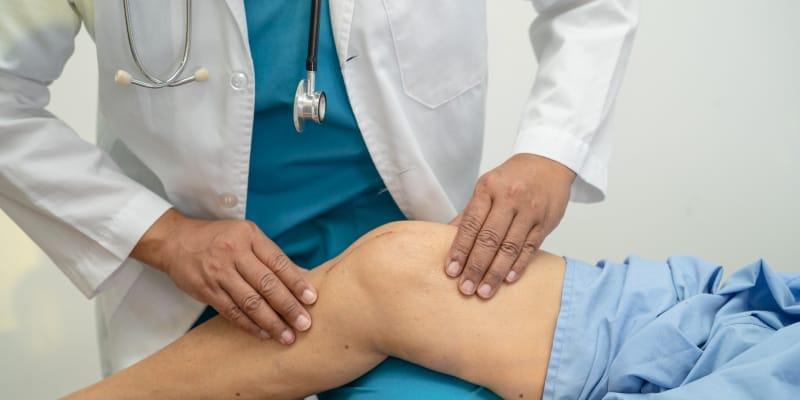
Chronic knee pain can make even simple daily activities like walking, climbing stairs, or getting up from a chair difficult. For many people, knee pain caused by advanced arthritis or joint damage can significantly affect their independence and quality of life. When medications, physiotherapy, and other non-surgical treatments no longer provide relief, knee replacement surgery may offer a long-term solution.
At Bombay Hospital Jaipur, we provide comprehensive Knee Replacement Surgery in Jaipur using advanced surgical techniques, modern operation theatres, and personalised rehabilitation programs. Our experienced orthopaedic surgeons carefully evaluate each patient to recommend the most appropriate treatment, helping restore mobility, reduce pain, and improve overall joint function.
Whether you are experiencing severe knee arthritis, chronic knee pain, or difficulty performing everyday activities, our multidisciplinary orthopaedic team is committed to delivering safe, compassionate, and evidence-based care.
Schedule a consultation with our orthopaedic specialists today.
Knee replacement surgery, also known as knee arthroplasty, is a procedure in which damaged or worn-out portions of the knee joint are replaced with artificial implants designed to restore smooth movement and reduce pain.
The knee is one of the body's largest weight-bearing joints. Over time, arthritis, injury, or age-related wear and tear can damage the cartilage that cushions the joint. As the cartilage deteriorates, bones begin to rub against each other, leading to pain, stiffness, swelling, and reduced mobility.
During knee replacement surgery, the damaged joint surfaces are removed and replaced with specially designed implants made of metal and high-grade medical plastic. These implants are intended to recreate the natural movement of the knee and improve joint function.
Depending on the extent of damage, your orthopaedic surgeon may recommend:
The treatment plan is personalised based on your symptoms, joint condition, age, activity level, and overall health.
Arthritis is the most common reason patients require knee replacement surgery. It gradually damages the cartilage that protects the knee joint, making movement painful and limiting mobility.
Common types of knee arthritis include:
Osteoarthritis
The most common form of arthritis, caused by gradual wear and tear of the joint cartilage. It typically develops with age but can also occur earlier due to injury or excess weight.
Rheumatoid Arthritis
An autoimmune condition in which the body's immune system attacks the joint lining, leading to inflammation, pain, and progressive joint damage.
Post-Traumatic Arthritis
This type of arthritis develops after a significant knee injury such as fractures, ligament injuries, or meniscal tears that alter the joint's normal mechanics.
Early diagnosis and appropriate treatment can help slow disease progression, but advanced cases may require surgical intervention to restore joint function.
If knee pain continues despite medications, lifestyle modifications, or physiotherapy, it may be time to consult an orthopaedic specialist.
Common symptoms include:
These symptoms can significantly affect independence and overall quality of life if left untreated.
Knee replacement surgery may be recommended when conservative treatments no longer provide adequate relief.
Your orthopaedic surgeon may consider surgery if you have:
Every patient is thoroughly evaluated before surgery to determine the most suitable treatment approach.
Knee replacement surgery can help patients with:
The most appropriate procedure depends on the extent of joint damage and the patient's individual needs.
Total Knee Replacement (TKR)
The entire knee joint is replaced with artificial components. This is the most commonly performed procedure for advanced arthritis involving multiple compartments of the knee.
Partial Knee Replacement (PKR)
Only the damaged portion of the knee is replaced while preserving healthy bone, cartilage, and ligaments. This option is suitable for selected patients with arthritis confined to one part of the knee.
Revision Knee Replacement
This procedure is performed when a previously implanted knee replacement requires replacement due to wear, loosening, infection, or other complications.
Bilateral Knee Replacement
In selected cases, both knees may be replaced either during the same surgical session or in separate procedures, depending on the patient's health and clinical condition.
For appropriately selected patients, knee replacement surgery offers several long-term benefits.
These include:
Most patients experience noticeable improvement after completing their rehabilitation program.
Step 1 – Comprehensive Evaluation
Your orthopaedic specialist performs a detailed clinical examination and reviews your medical history.
Investigations may include:
Step 2 – Surgical Planning
Based on imaging studies and joint assessment, the surgeon develops a personalised treatment plan and selects the most appropriate implant.
Step 3 – Anaesthesia
The procedure is typically performed under spinal or general anaesthesia.
Step 4 – Removal of Damaged Joint Surfaces
The damaged cartilage and a small portion of bone are carefully removed while preserving healthy tissues wherever possible.
Step 5 – Implant Placement
Specially designed artificial components are positioned to restore joint alignment, stability, and movement.
Step 6 – Closure
The surgical incision is closed, and the knee is dressed. Patients are then transferred to the recovery area for close monitoring.
At Bombay Hospital Jaipur, we utilise advanced surgical techniques to improve precision, enhance implant positioning, and support faster recovery. Depending on the patient's condition, our orthopaedic surgeons may use:
These modern approaches help improve joint function, minimise tissue damage, reduce recovery time, and support better long-term outcomes.
At Bombay Hospital Jaipur, knee replacement surgery is supported by modern orthopaedic infrastructure and advanced diagnostic facilities.
Our facilities include:
This integrated infrastructure helps support safe surgery, precise planning, and effective post-operative recovery.
Recovery is a gradual process that combines healing with guided rehabilitation.
Typical Recovery Timeline
Day 1
Day 2–4
Weeks 2–6
Around 3 Months
Up to 12 Months
Recovery time varies depending on age, general health, and adherence to the rehabilitation program.
Rehabilitation is an essential part of successful knee replacement surgery.
Our physiotherapy team develops an individualised recovery plan focused on restoring strength, flexibility, balance, and confidence.
Rehabilitation may include:
Consistent rehabilitation plays a vital role in achieving the best possible outcome after surgery.
Most patients return to an active and independent lifestyle after completing rehabilitation.
To help maintain the health of your new knee, your orthopaedic specialist may recommend:
With proper care, many modern knee implants provide long-term function and improved quality of life.
Knee replacement surgery is a commonly performed procedure with high success rates. However, like any surgery, it carries certain risks.
Potential complications include:
Our surgical team follows established protocols to minimise these risks and promote safe recovery.
Bombay Hospital Jaipur combines experienced orthopaedic specialists, advanced surgical infrastructure, and comprehensive rehabilitation to deliver personalised joint replacement care.
Why patients choose us:
Our goal is to help every patient regain mobility, reduce pain, and return to an active lifestyle.
Successful knee replacement surgery requires the expertise of a multidisciplinary team.
Our team includes:
Working together, they provide coordinated care from diagnosis and surgery to rehabilitation and long-term follow-up.
Your care pathway typically includes:
This structured approach supports a smoother recovery and better long-term outcomes.
You should seek medical advice if you experience:
Early evaluation can help determine the most appropriate treatment and prevent further joint damage.
Knee replacement surgery is a procedure in which damaged portions of the knee joint are replaced with artificial implants to relieve pain and improve movement.
The procedure generally takes between one and two hours, depending on the complexity of the case.
Modern knee implants can last many years. Their longevity depends on factors such as age, activity level, body weight, and overall joint health.
Most patients begin standing and walking with assistance within a day after surgery under the guidance of the rehabilitation team.
Yes. Physiotherapy is an important part of recovery and helps restore strength, flexibility, and mobility.
In selected patients, bilateral knee replacement may be considered after a thorough clinical assessment.
Recovery varies from person to person. Many patients gradually return to routine daily activities over several weeks while continuing rehabilitation.
Yes. Most patients regain the ability to climb stairs after completing their rehabilitation program, although progress depends on individual recovery.
While no implant lasts forever, modern knee replacements are designed to provide long-term pain relief and improved joint function for many years.
Bombay Hospital Jaipur offers experienced orthopaedic surgeons, advanced operation theatres, modern diagnostic facilities, comprehensive rehabilitation services, and personalised patient care to support successful knee replacement outcomes.
If chronic knee pain is affecting your mobility, independence, or quality of life, don't wait for the condition to worsen. Early evaluation by an experienced orthopaedic specialist can help determine the most appropriate treatment and restore your ability to move comfortably.
At Bombay Hospital Jaipur, we are committed to providing comprehensive knee replacement care—from accurate diagnosis and advanced surgery to personalised rehabilitation and long-term follow-up.
Book your consultation today and take the first step towards pain-free movement and improved quality of life.

MBBS, MS
FACS, FJRS, APAS Fellow, Dip. FIFA
Orthopaedic Surgeon

MBBS, MS
DNB ortho, FNB Arthroplasty, MRCSEd, MNAMS
Orthopaedic Surgeon

MBBS, MS (AIIMS New Delhi)
FIAA - Vienna (Austria)
FIJR - NMU (Japan)
Orthopaedic Surgeon
 Book an Appointment